Getting to Grips with the Block Grab
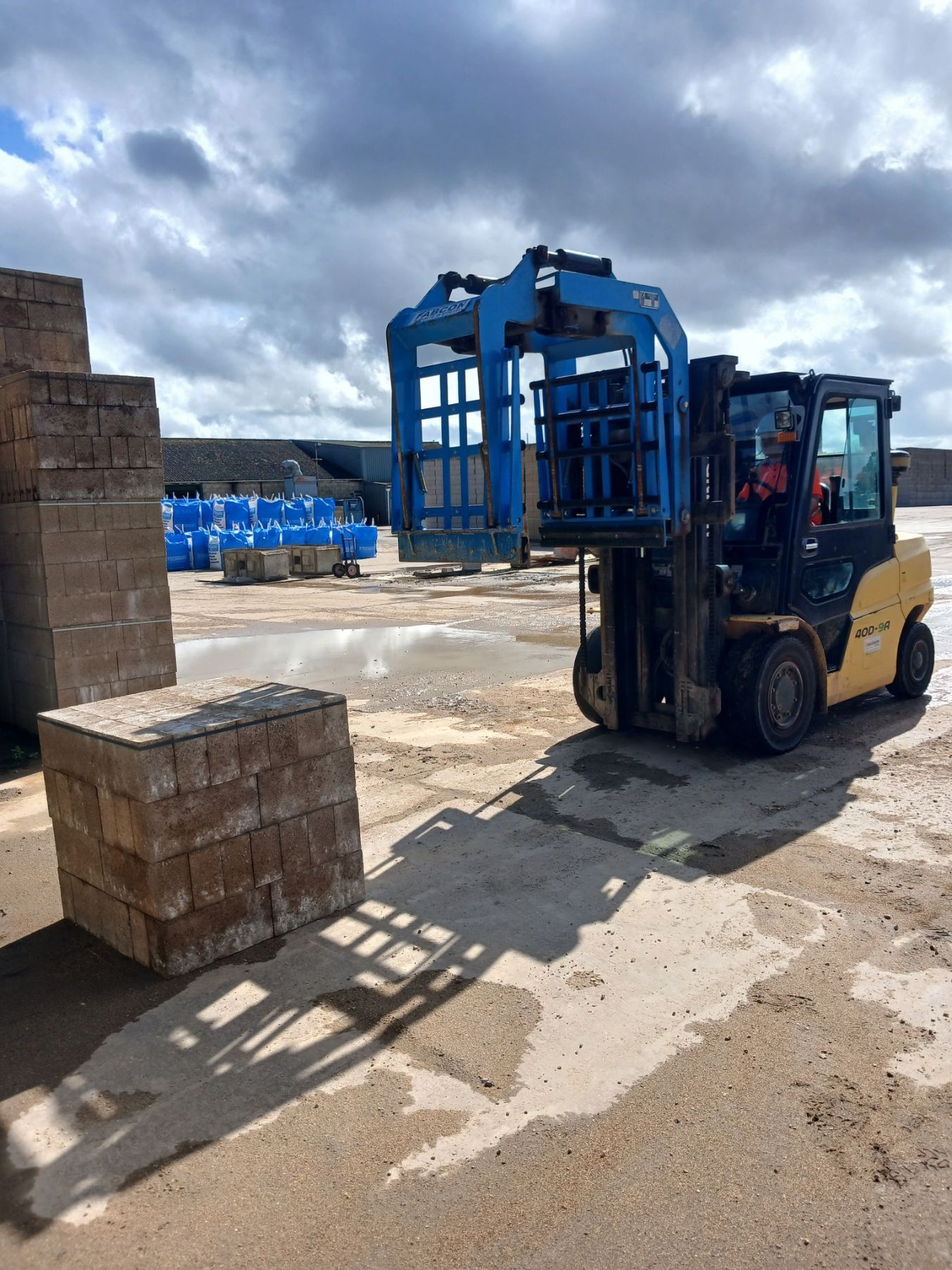
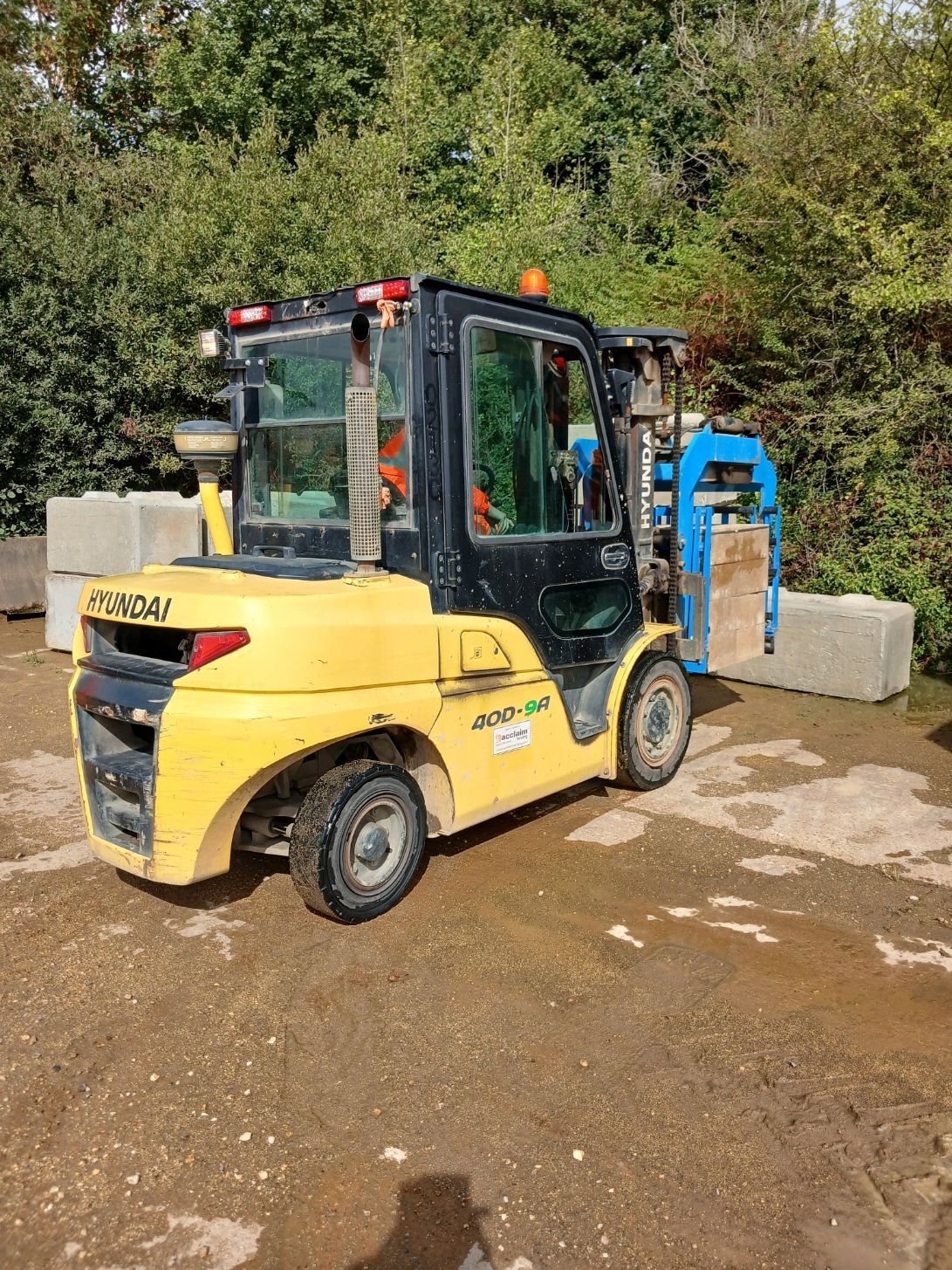
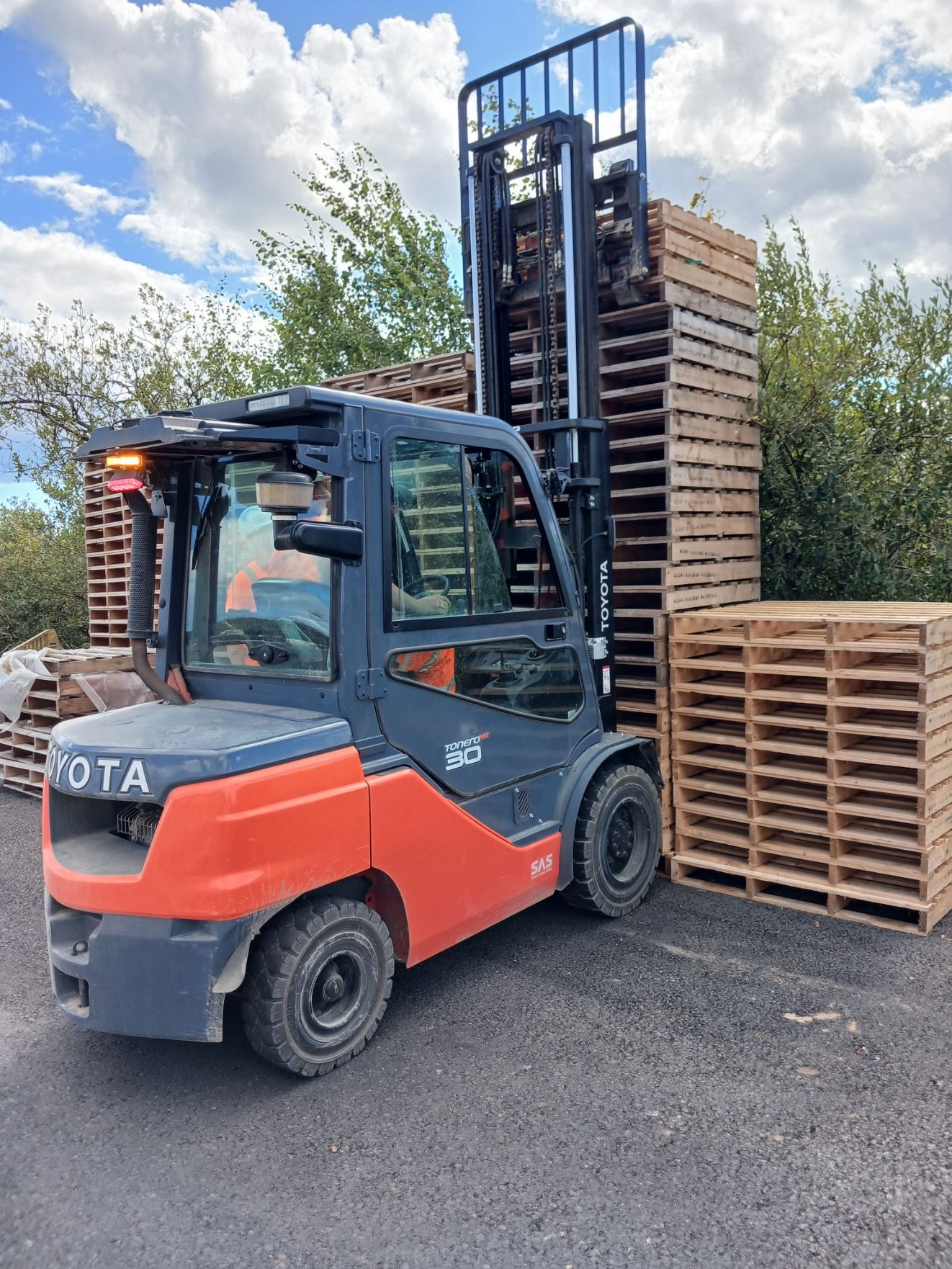
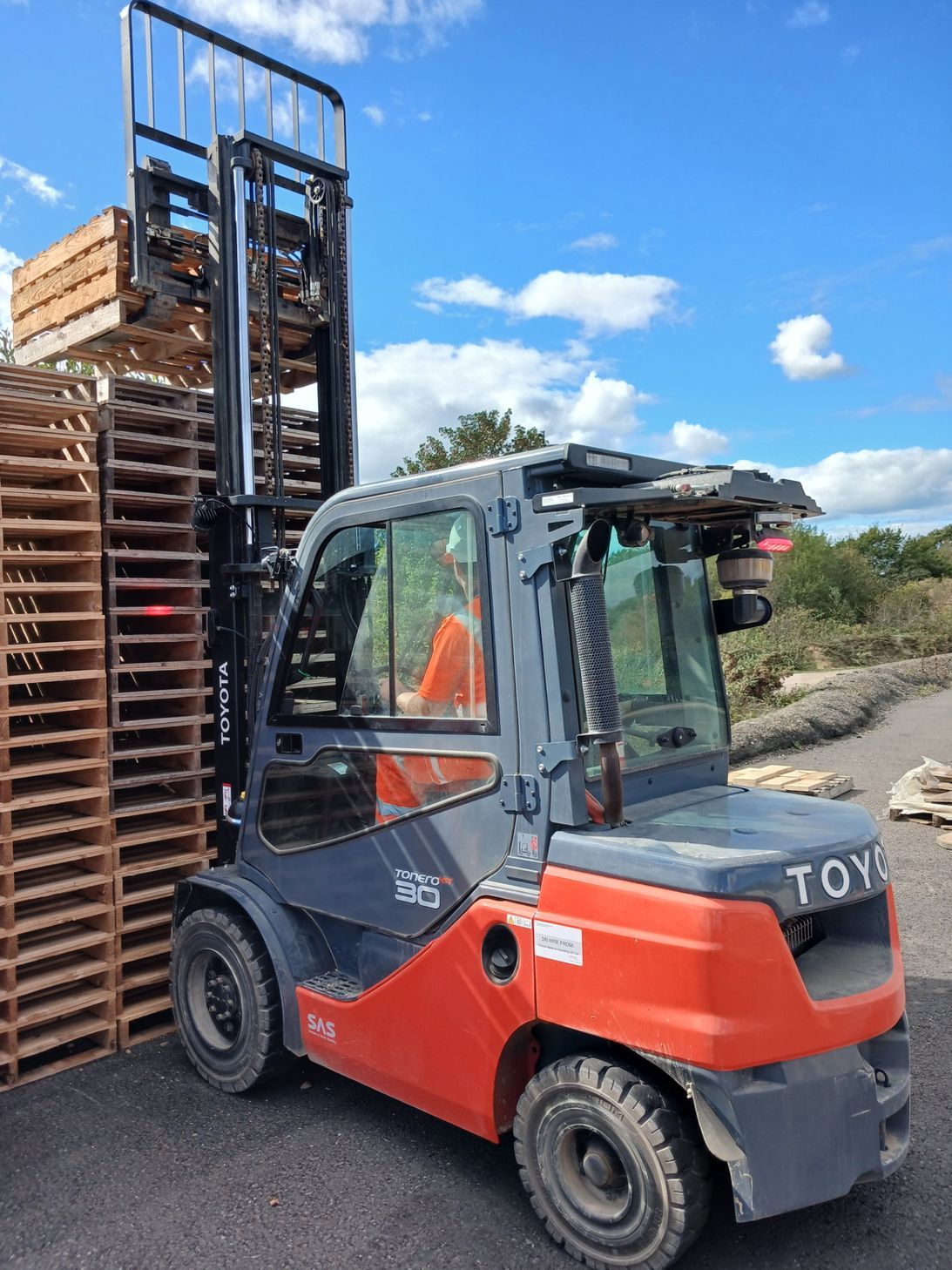
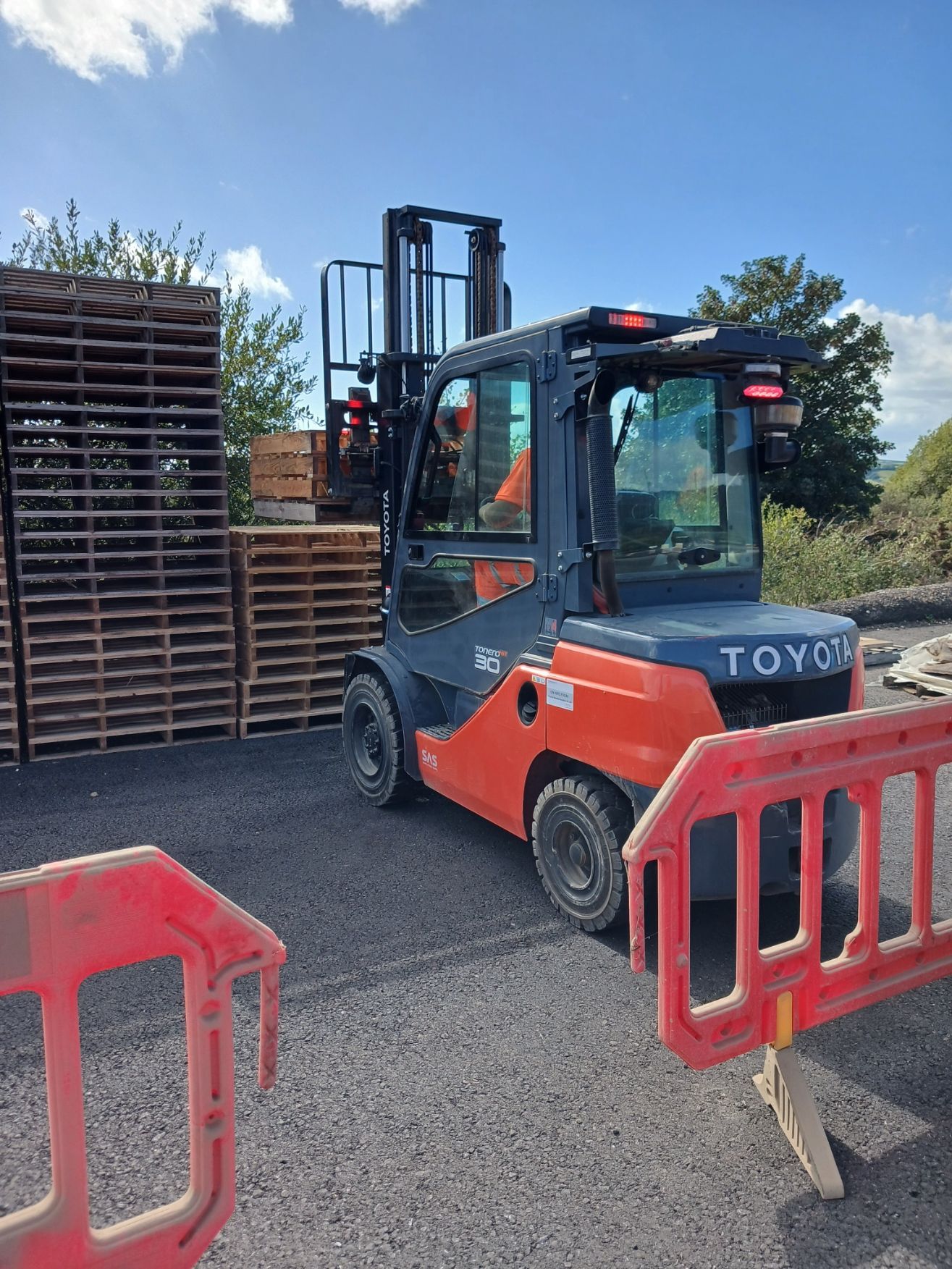
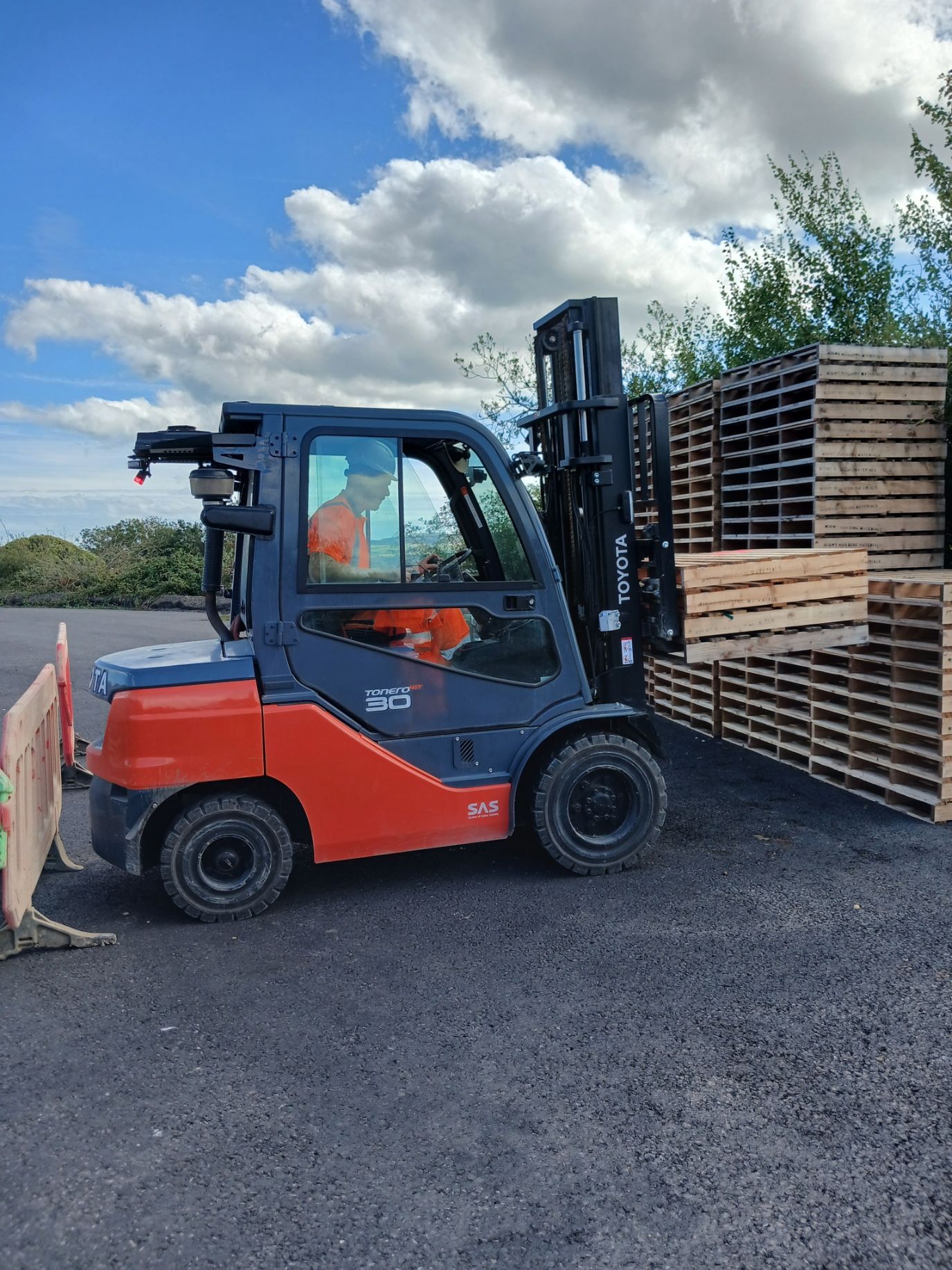
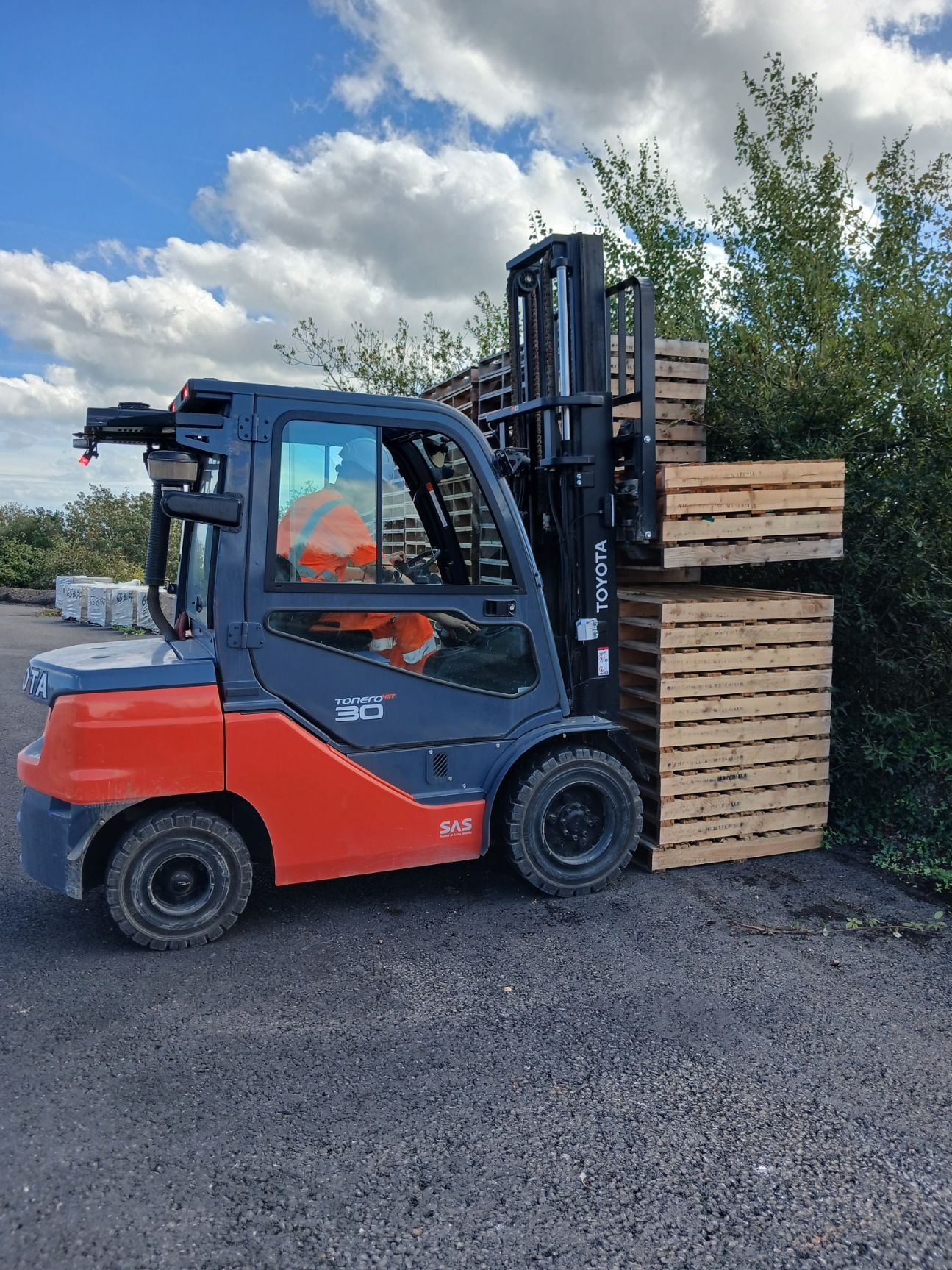
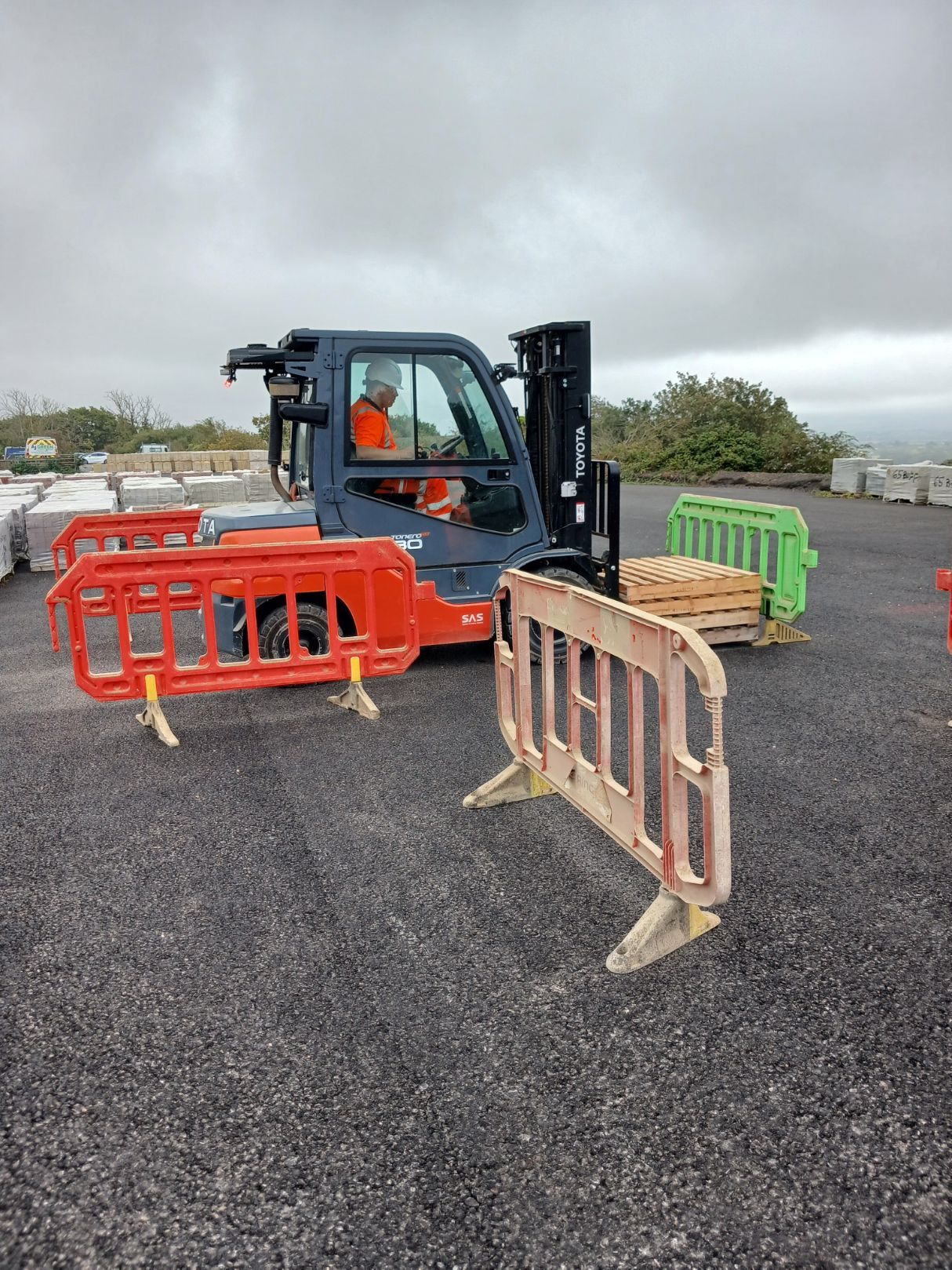
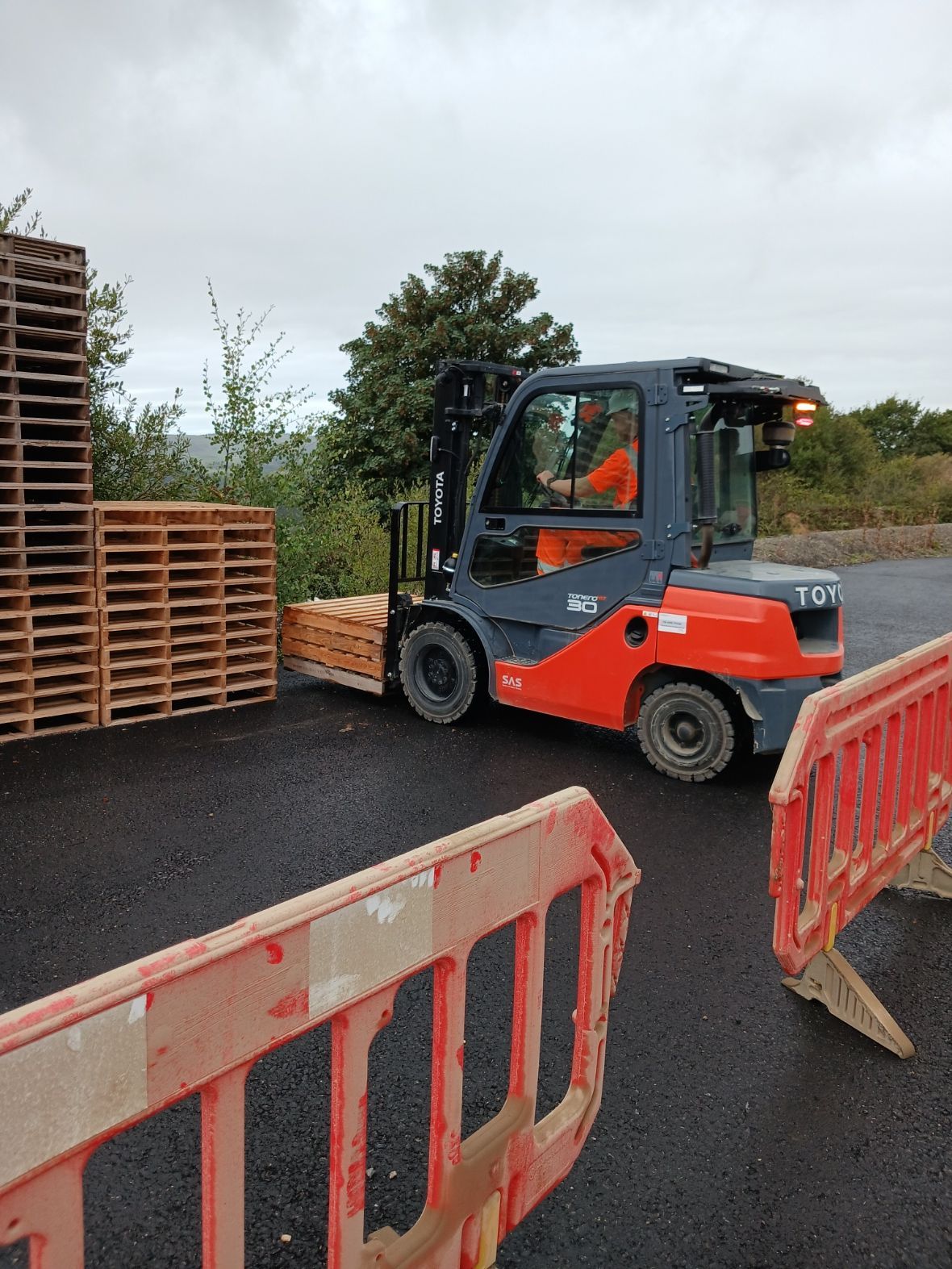
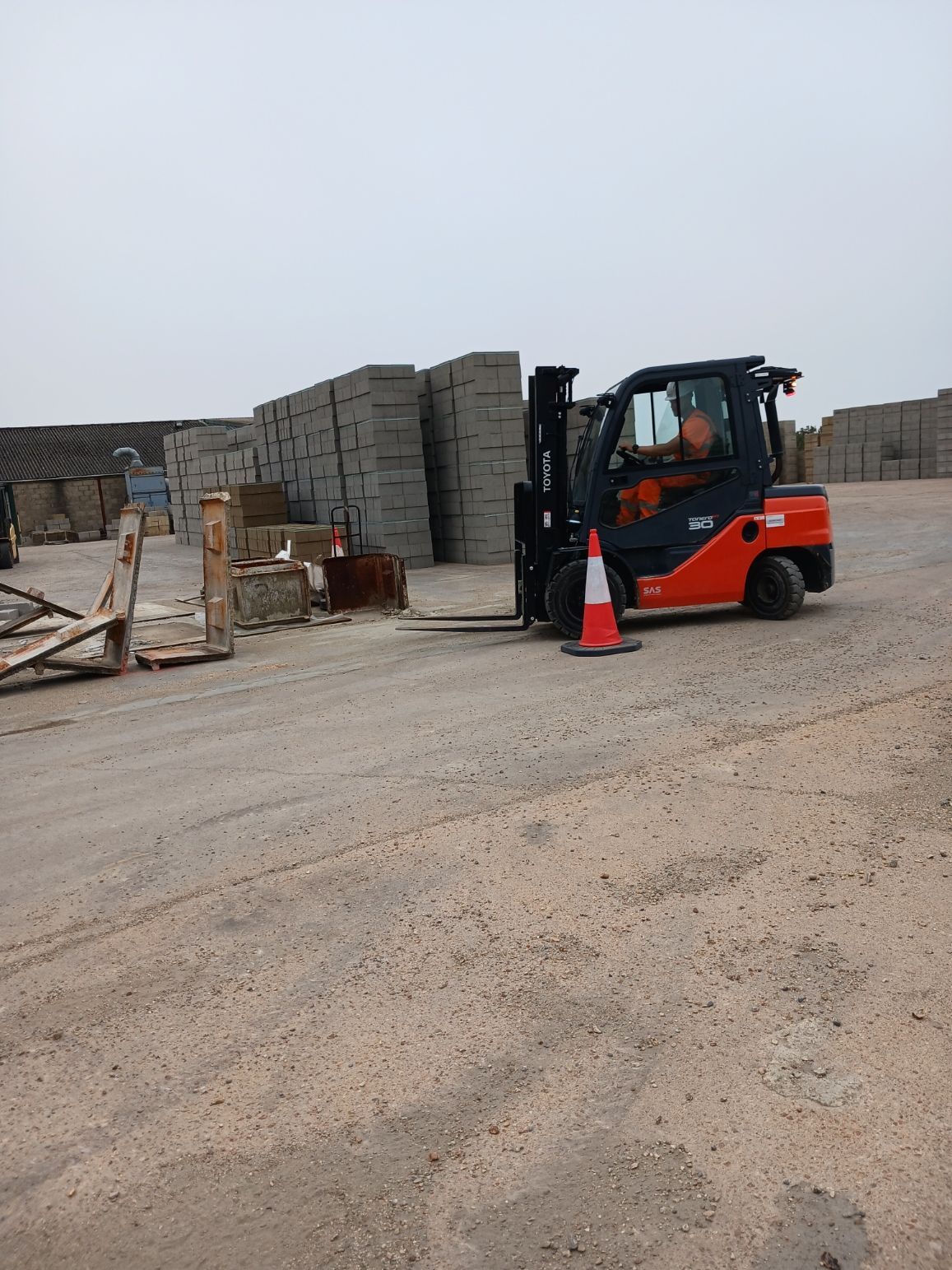
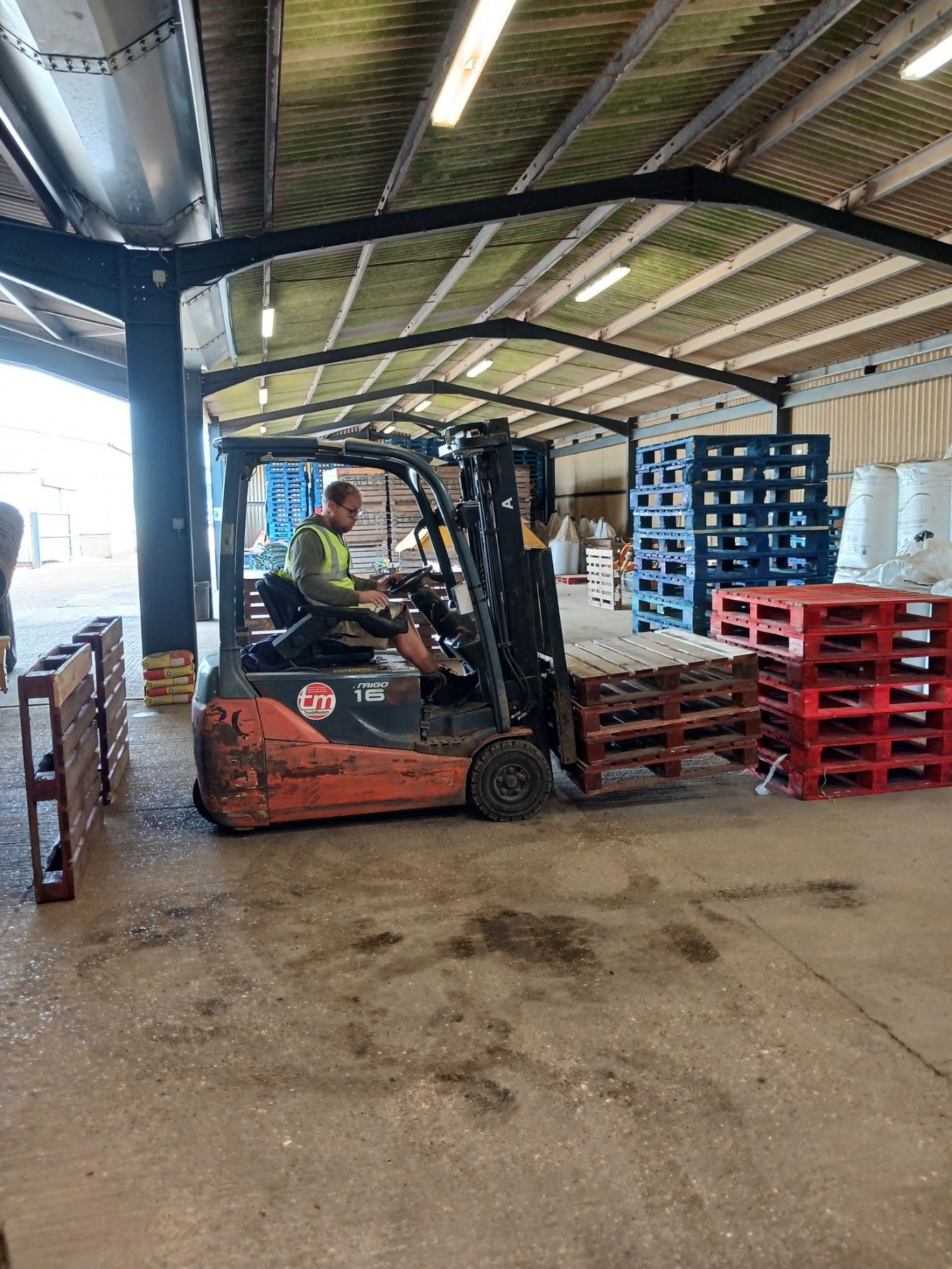
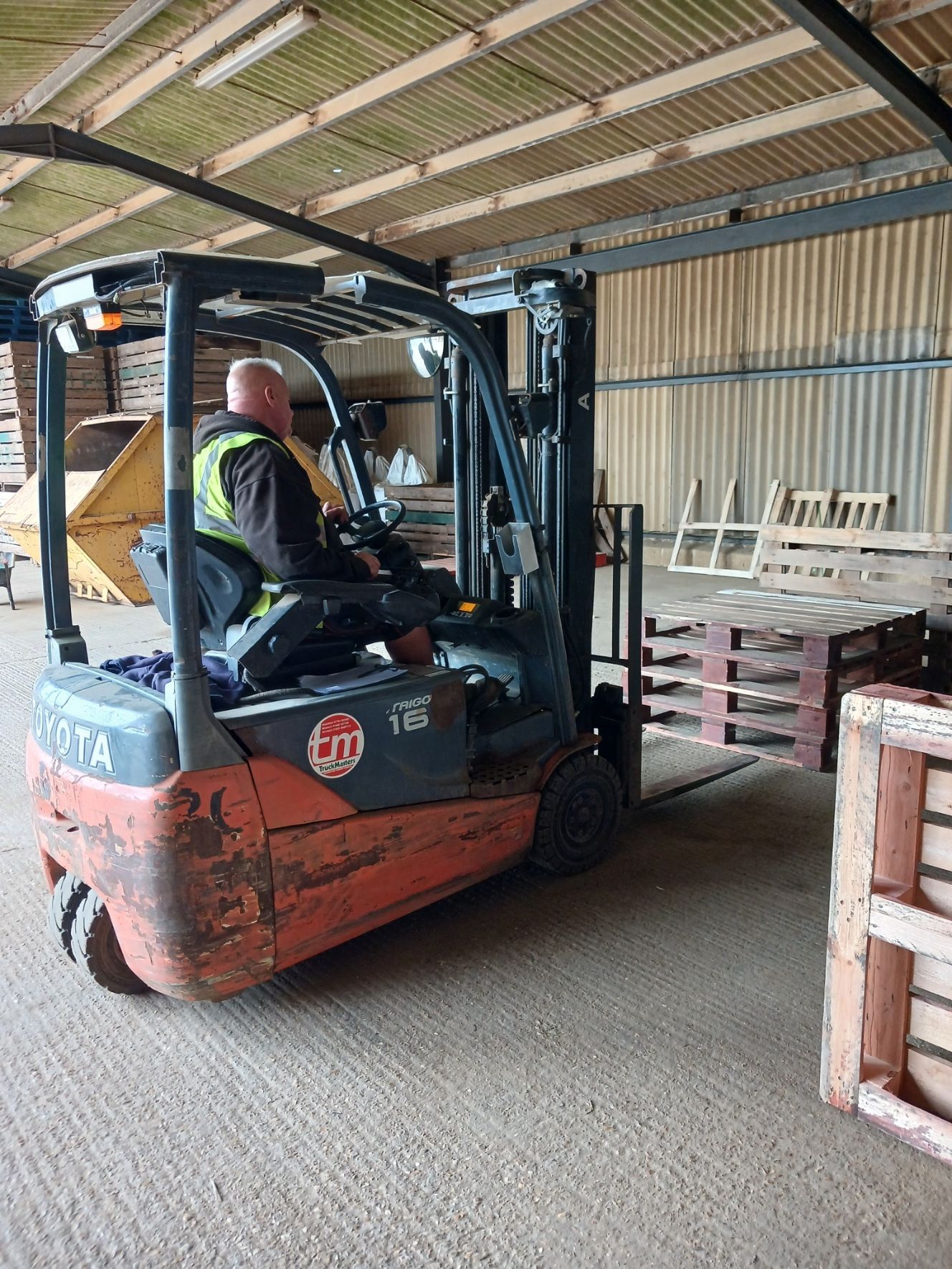
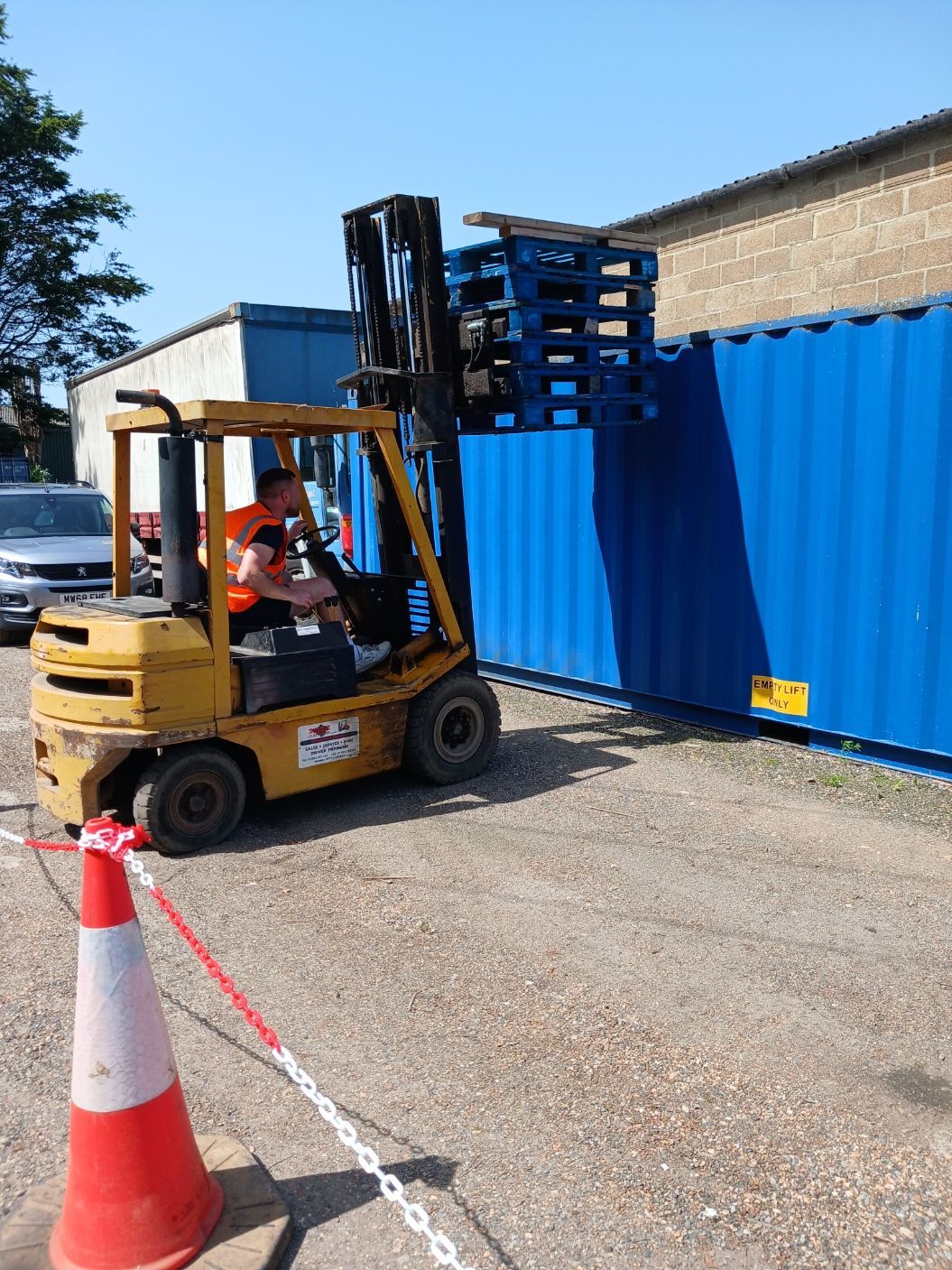
Once we'd worked through the counterbalance training, it was time to introduce something a little different – the block grab attachment.
Handling packs of concrete blocks isn't quite the same as picking up a pallet with a set of forks!
A block grab changes the way a load is secured and handled, so operators need to understand the attachment's limitations, the effect on the forklift's capacity and the importance of positioning everything correctly.
Jack and Harvey had the opportunity to gain practical experience with this type of equipment, developing their understanding of how attachments can change the way a forklift operates.
This is where training on the customer's own machinery really comes into its own. Rather than learning on equipment they may never use again, they're gaining experience with the machines and attachments relevant to their workplace.
Next Up – The J3 Telehandler Conversion
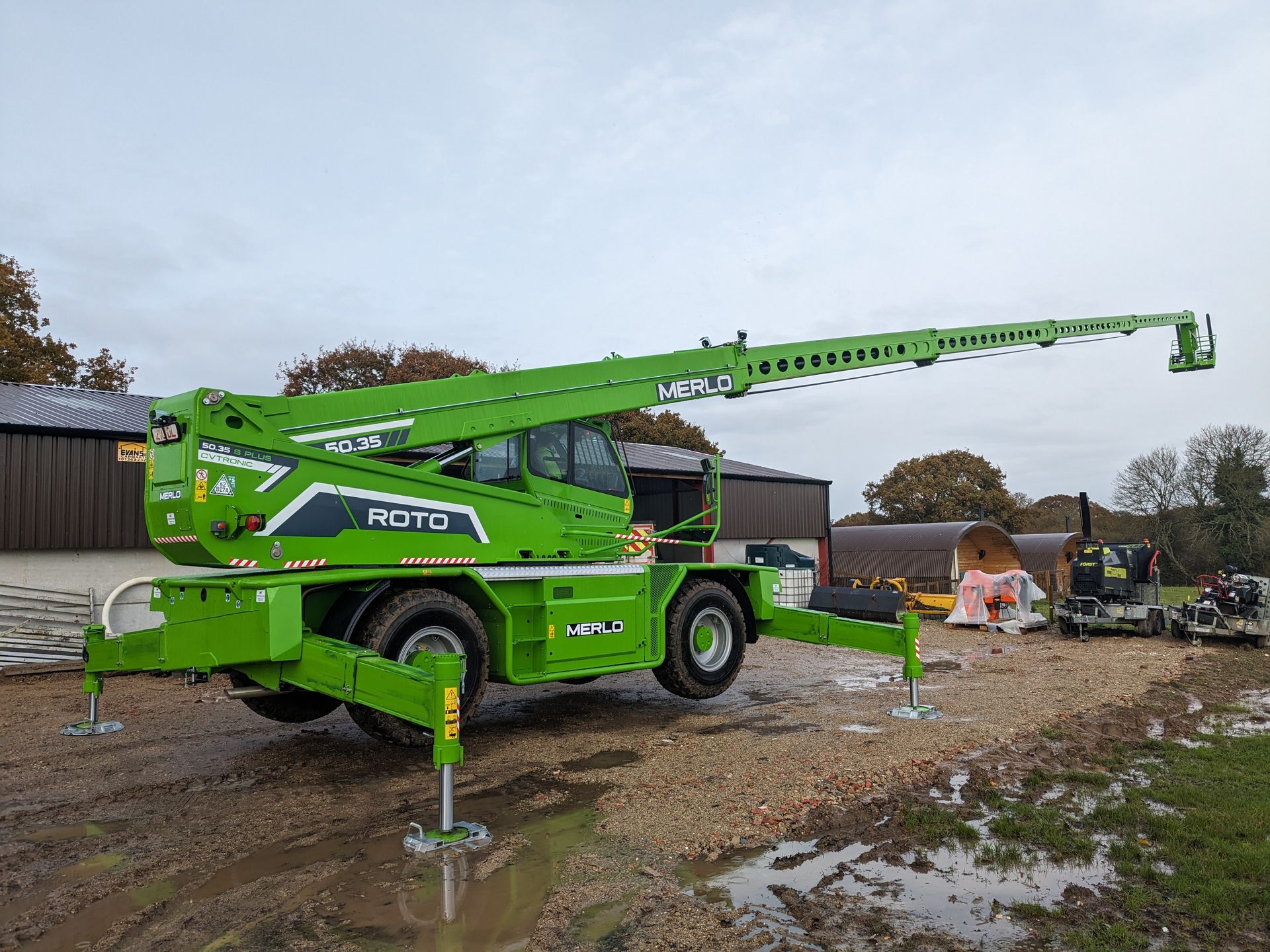
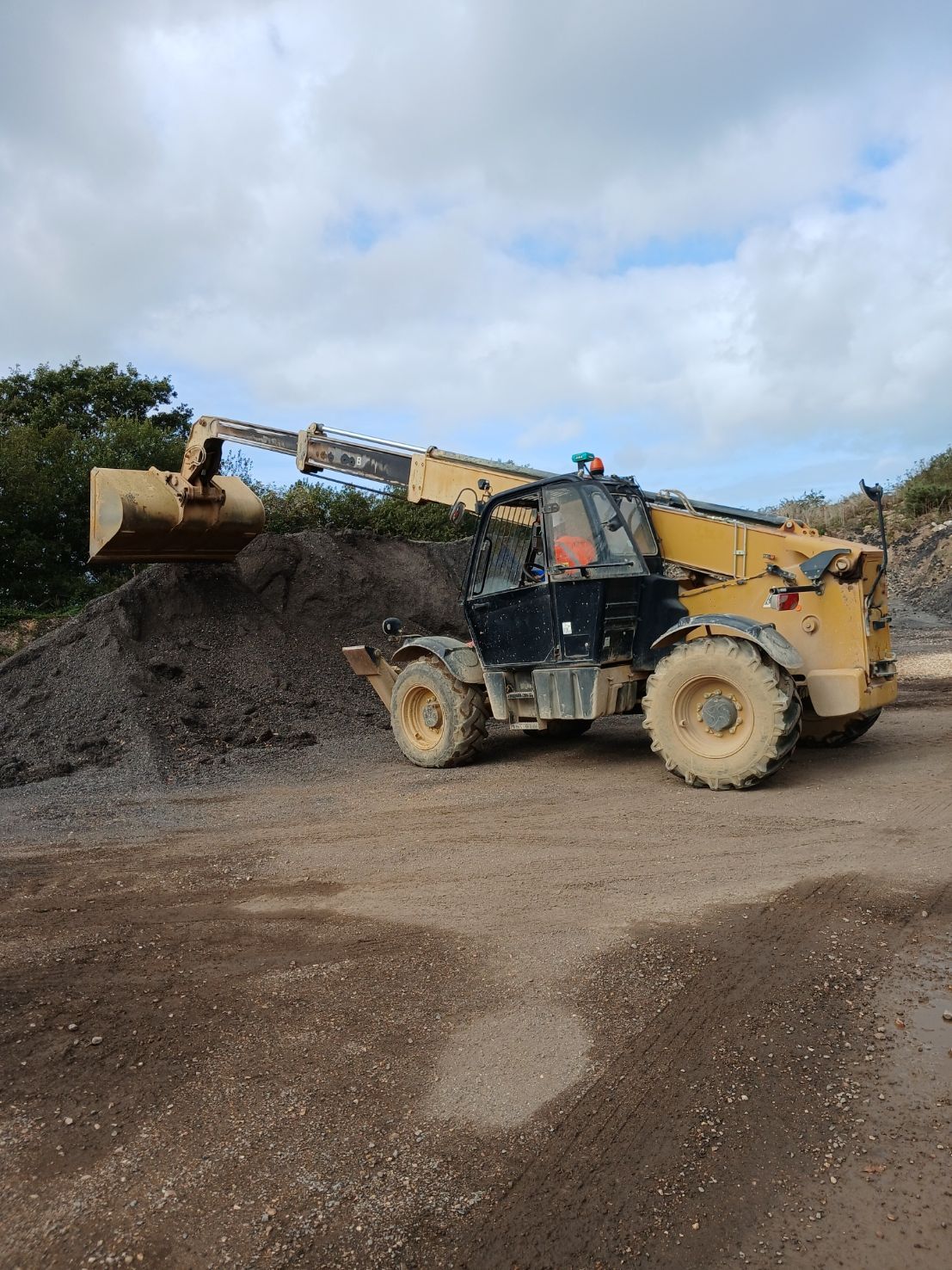
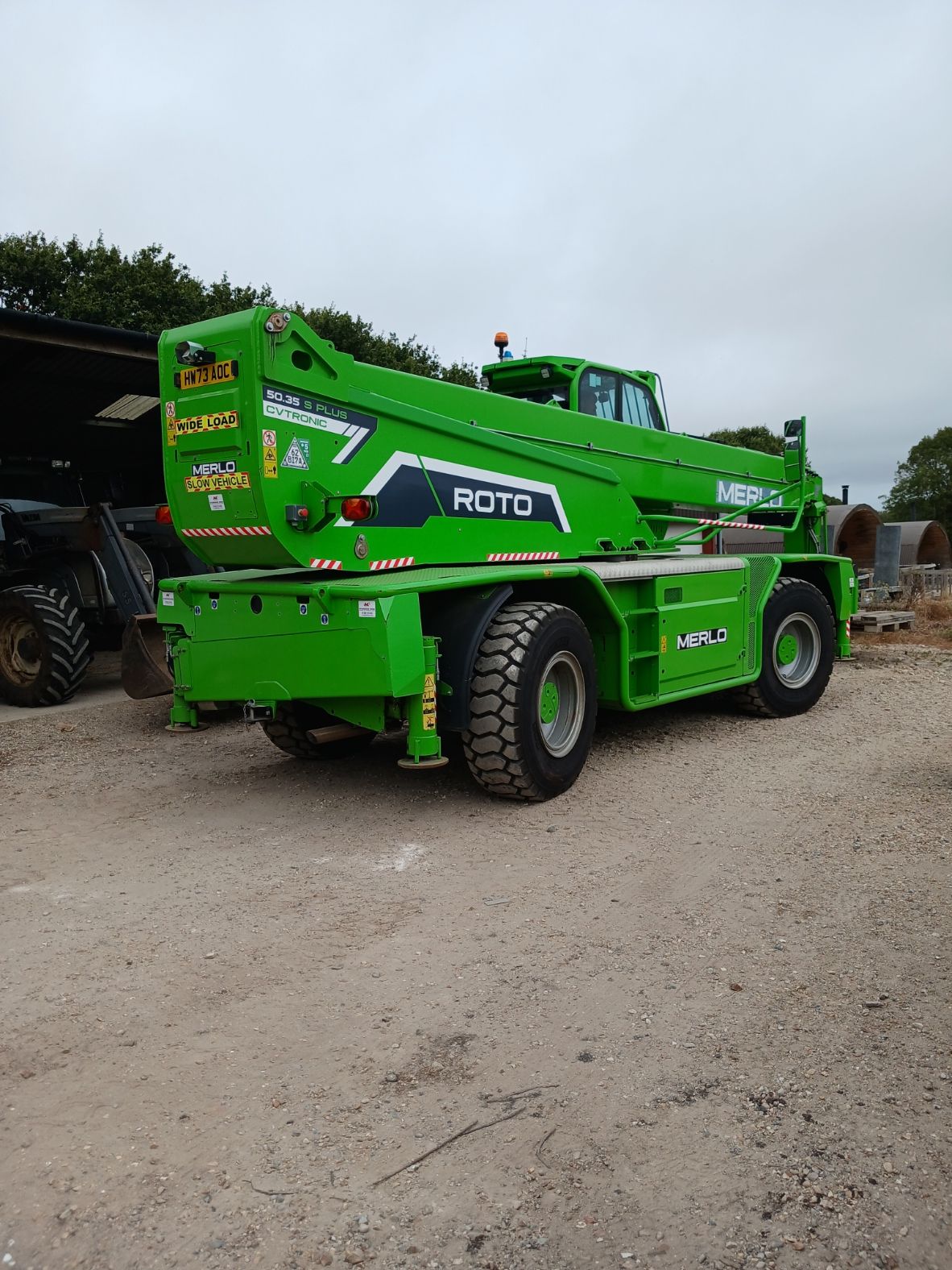
With the counterbalance work under way, we moved on to the J3 telehandler conversion.
A telehandler is a very different machine from a conventional counterbalance forklift. The telescopic boom allows loads to be positioned at different heights and reaches, but it also introduces additional considerations when it comes to stability and safe operation.
The skills learned on a counterbalance provide a useful foundation, but operating a telehandler requires an understanding of how extending and raising the boom affects the machine.
During the conversion training, we focused on the differences between the machines, safe operating techniques, load charts, stability and the importance of working within the telehandler's rated capacity.
It's a great opportunity to build on existing knowledge while developing the skills needed to operate another type of workplace equipment.
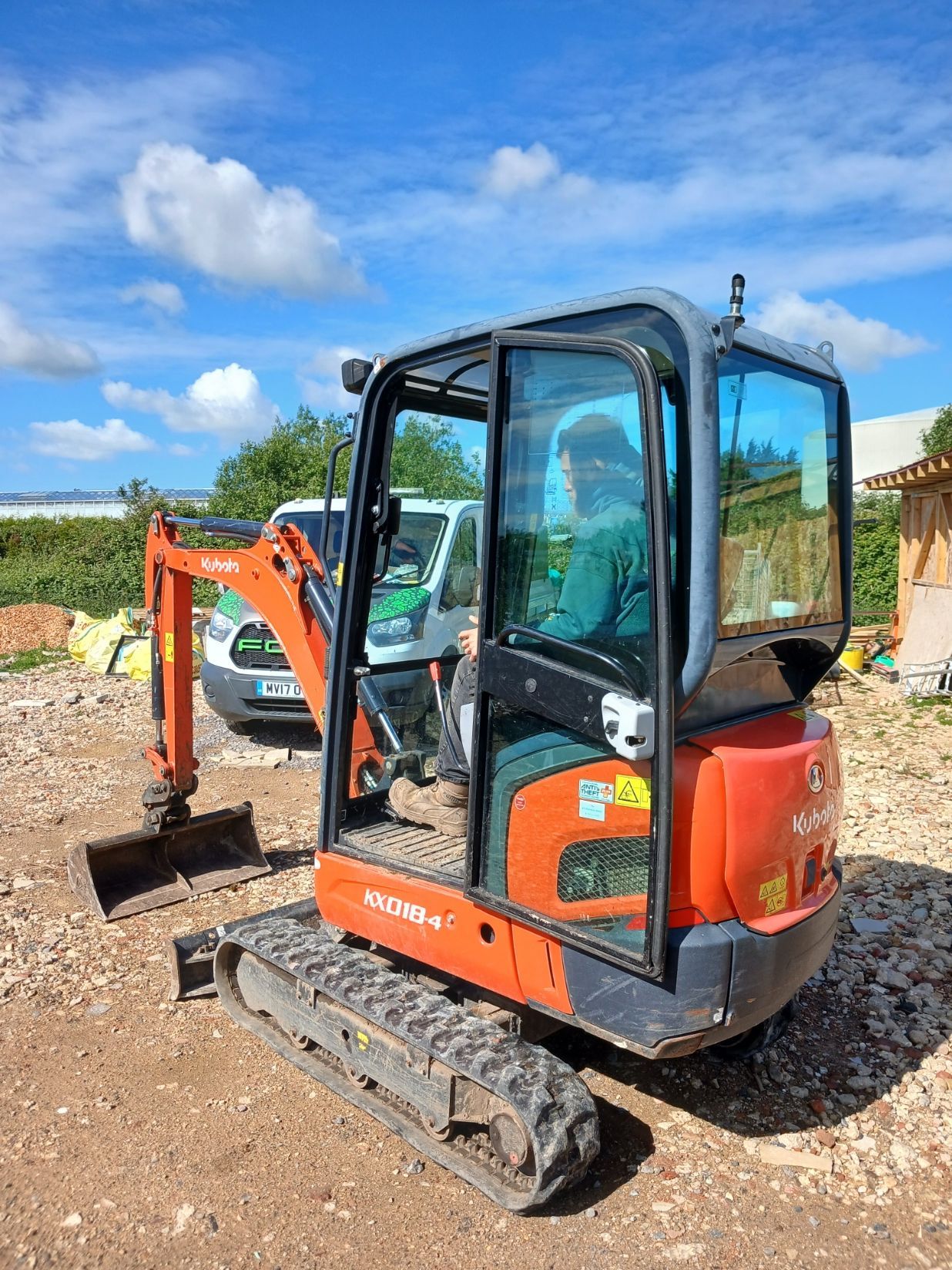
And There's More – Time on the Loading Shovel!
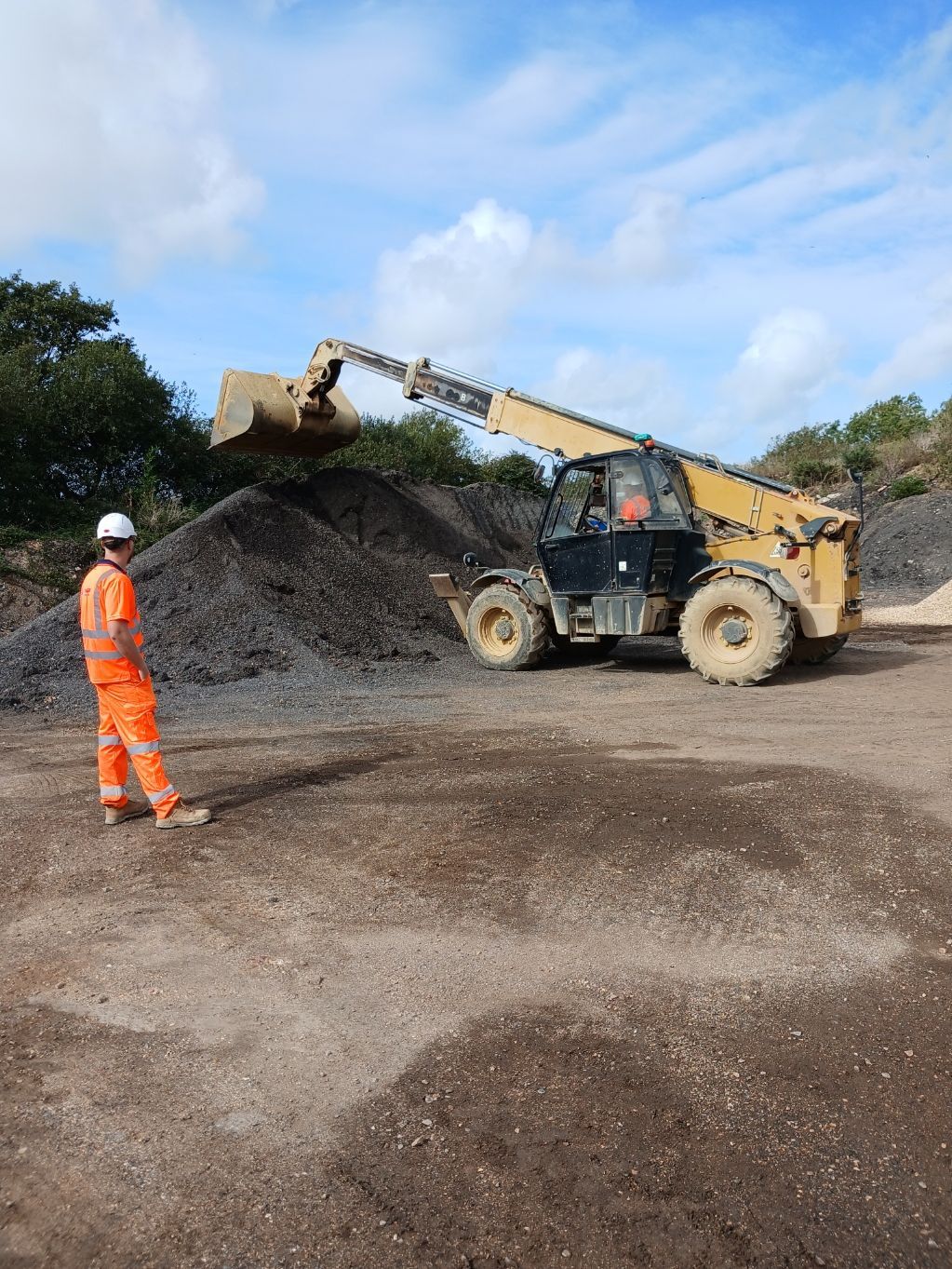
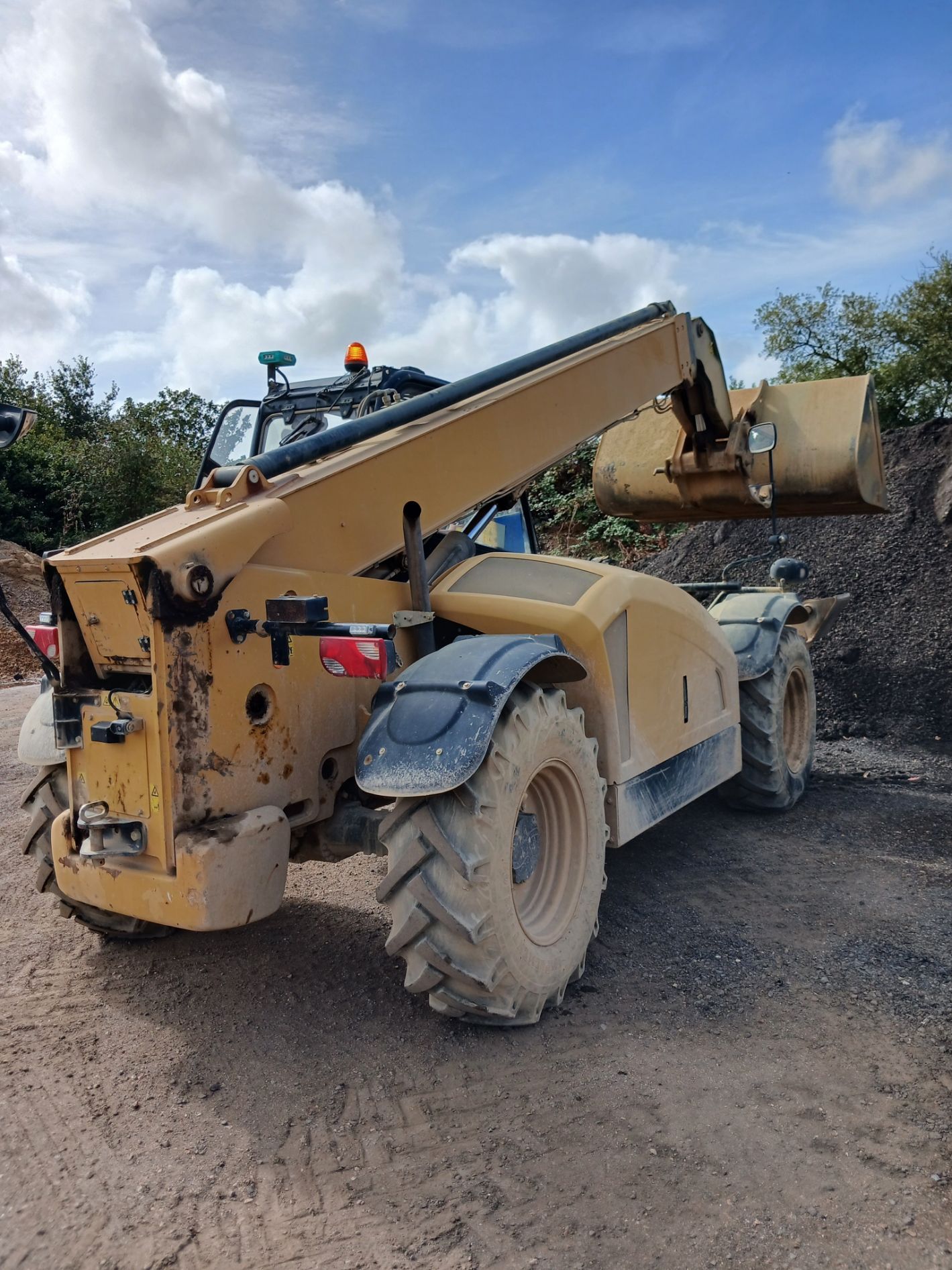
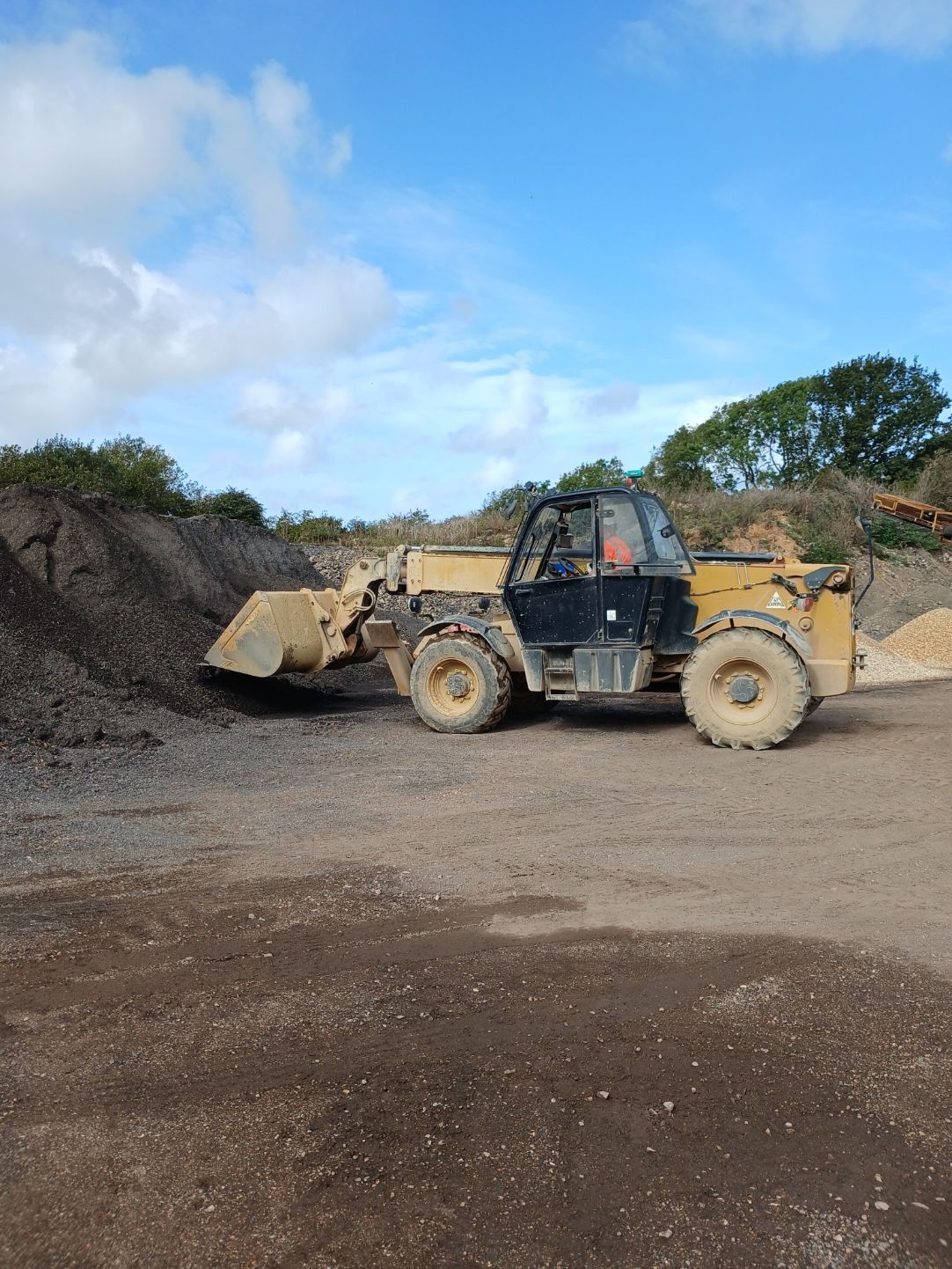
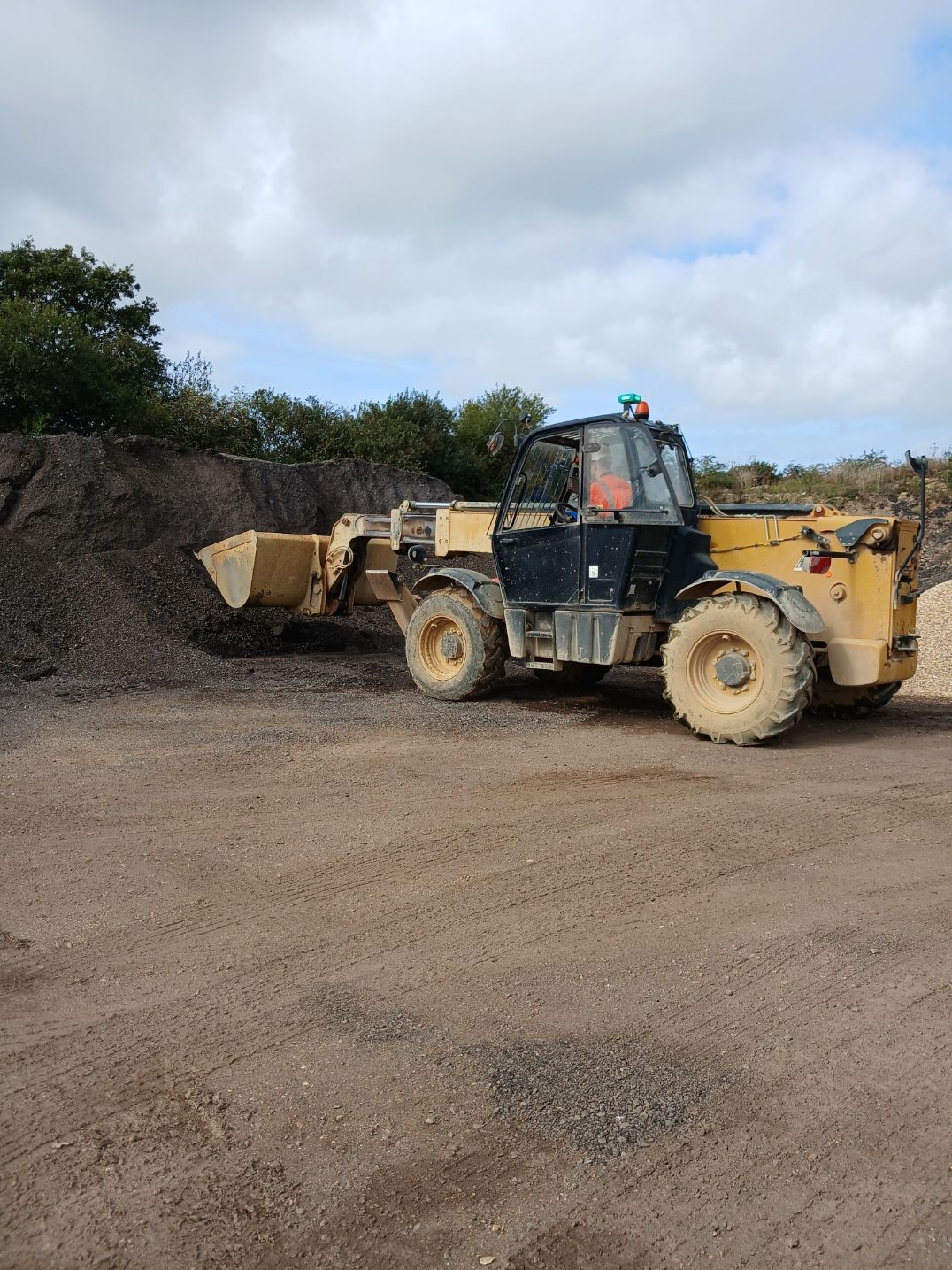
As if the forklifts and telehandler weren't enough, the training also involved using a loading shovel.
Working around aggregates and loose materials brings a different set of challenges compared with handling palletised loads.
Operators need to be aware of ground conditions, machine stability, visibility, bucket positioning and the movement of materials.
Getting experience with this type of equipment helps develop a broader understanding of plant operation and the different risks associated with working in a busy materials yard.
It's certainly a varied programme, and one that reflects the range of machinery used at Wight Building Materials.
Why On-Site Training Makes Such a Difference
One of the biggest advantages of delivering training on-site is that everything is relevant to the job.
At Wight Building Materials, we've been able to work with the types of machinery, attachments and materials that operators encounter in their normal working environment.
That means the training isn't just about passing an assessment. It's about developing practical skills that can be taken straight back into the workplace.
There are benefits for the employer, too. There's no need to send staff away to a separate training centre, and the training can be tailored around the business's operational requirements.
For me, that's what good workplace training should be about – giving people the knowledge, confidence and practical ability to do their jobs safely.
A Great Effort from Jack and Harvey
It's been good working with Jack and Harvey and seeing them tackle the different challenges involved in moving between machines.
From learning the basics of counterbalance forklift operation to handling blocks with a specialist attachment and getting familiar with the telehandler and loading shovel, there's been plenty to take in.
Each machine has its own characteristics, and understanding those differences is an important part of becoming a capable, safety-conscious operator.
A big thank you to Wight Building Materials for having me on-site and providing the opportunity to deliver such a varied training programme.
And well done to Jack and Harvey for getting stuck in!

























 by
by