We all have to start somewhere, and when it comes to learning to operate a forklift, there's absolutely nothing wrong with proudly displaying a set of L plates!
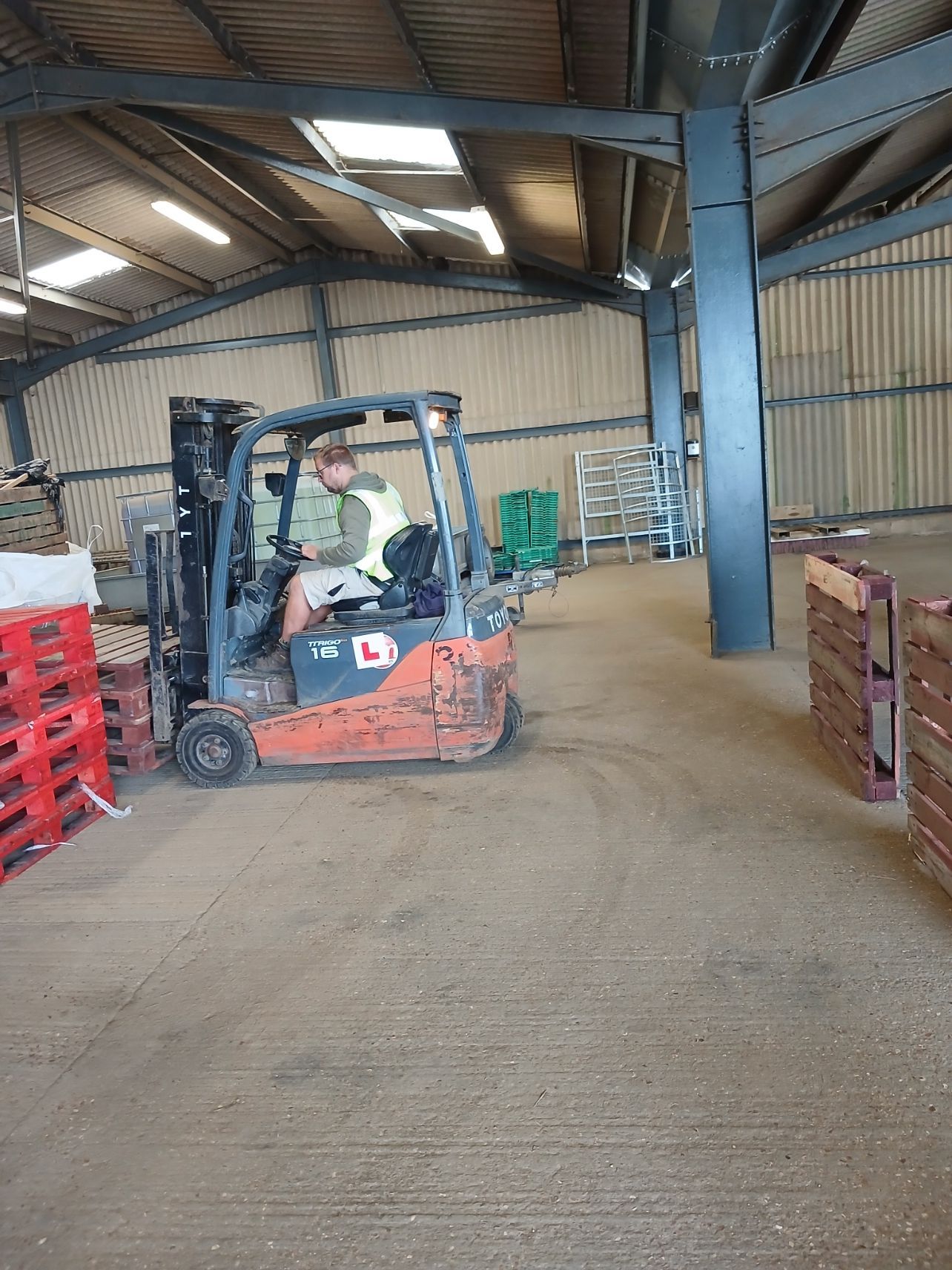
I've recently been working with Chris Leedham, who's been getting to grips with a B1 counterbalance forklift as part of his training.
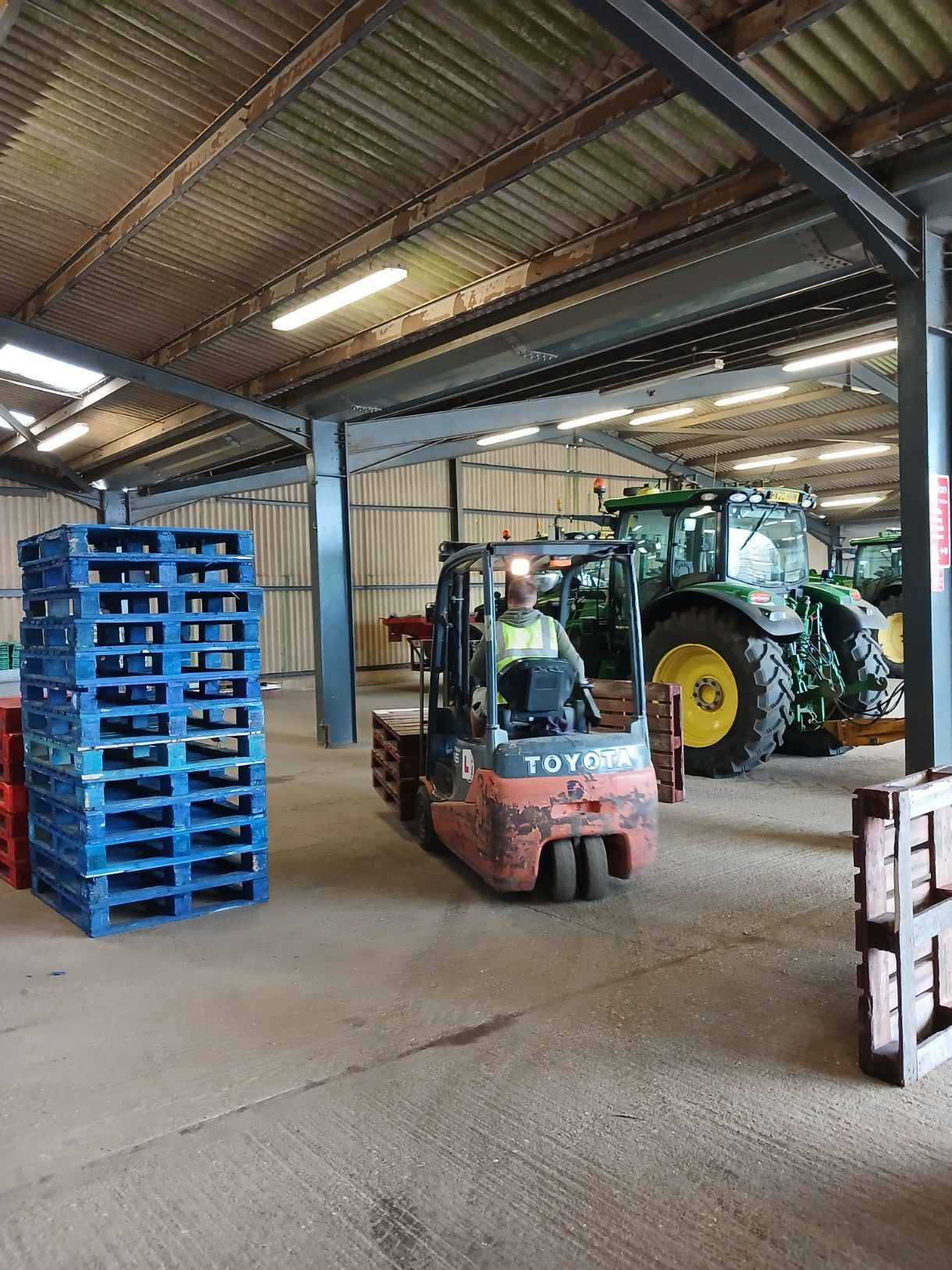
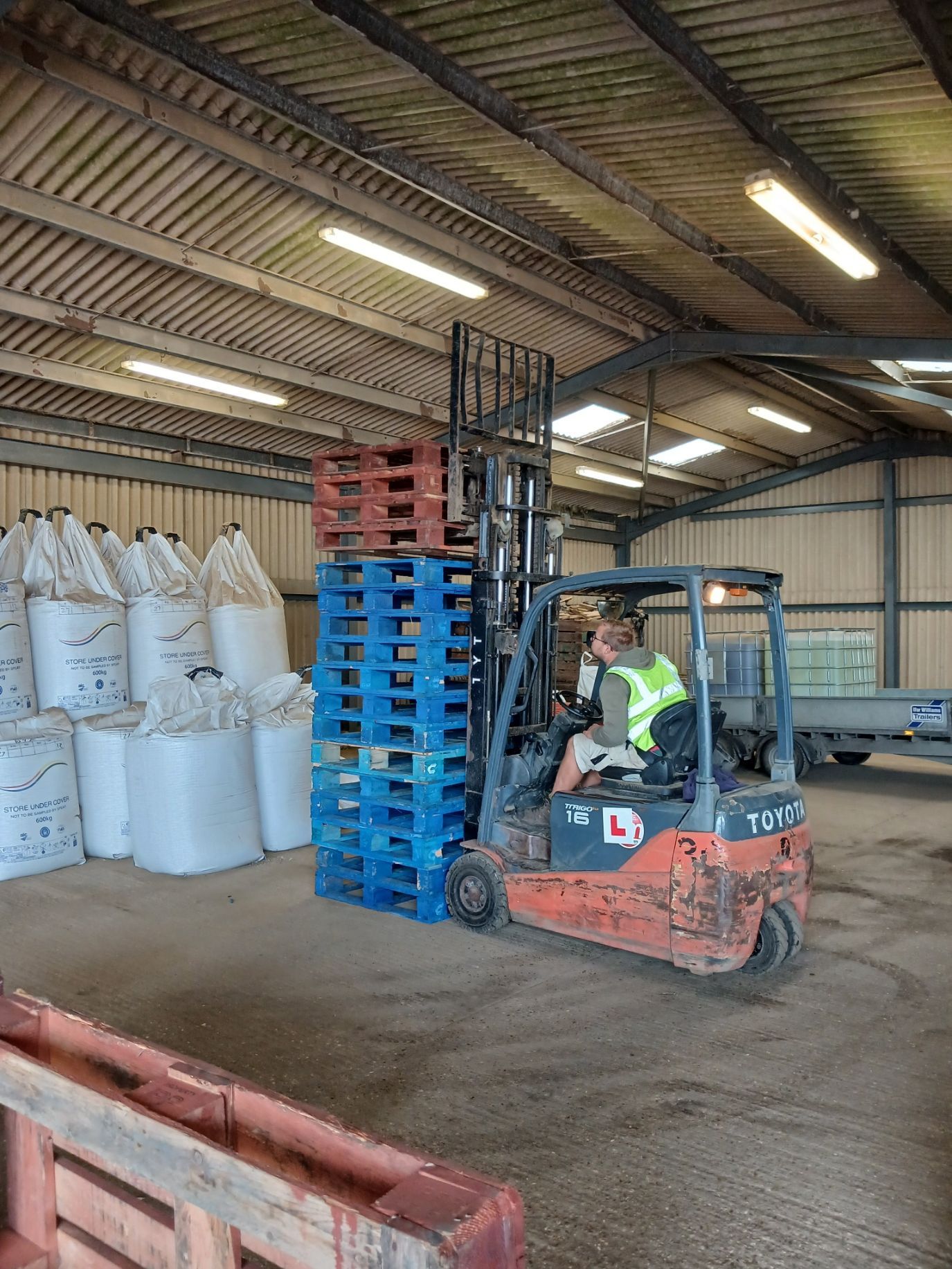
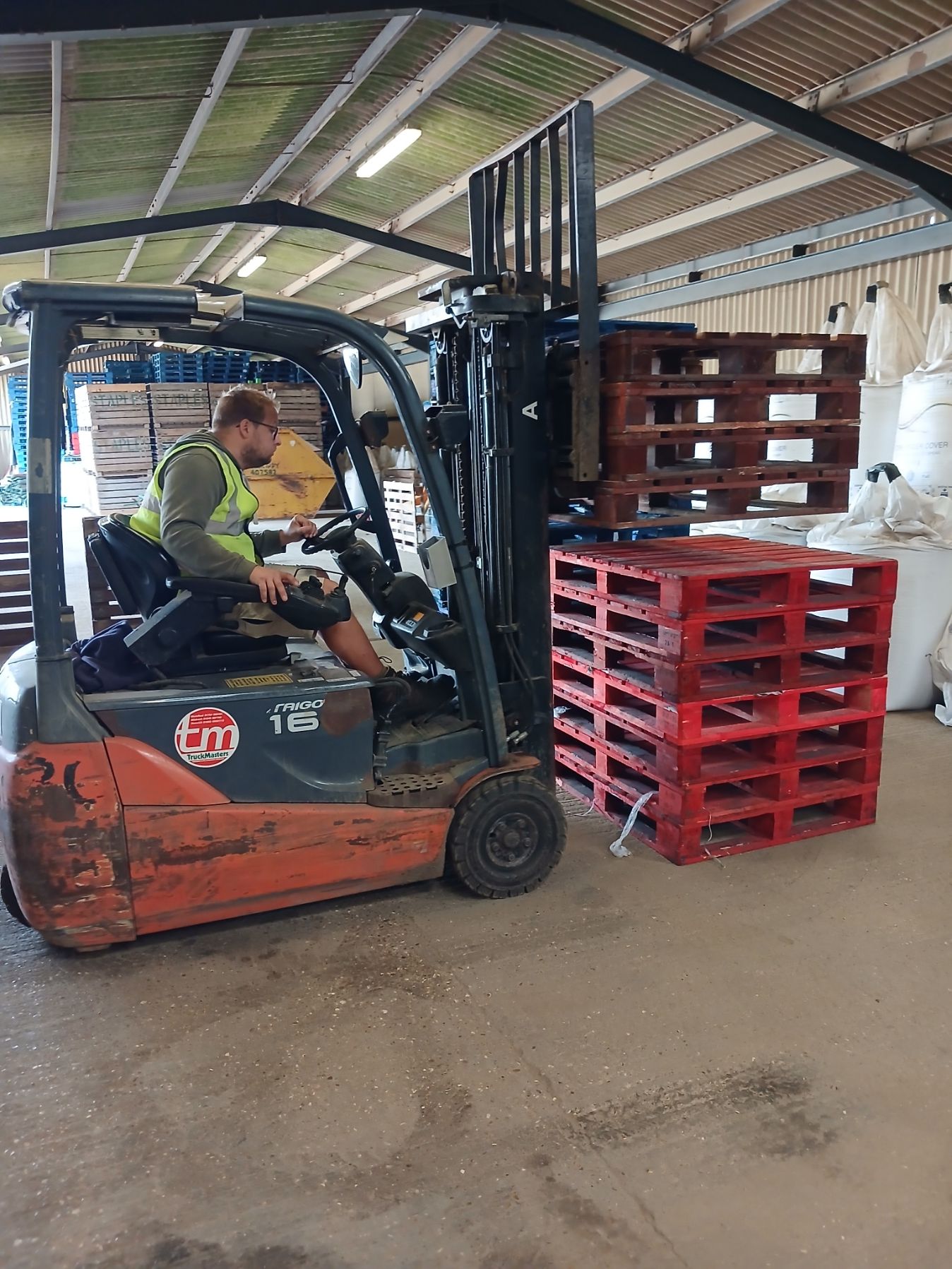
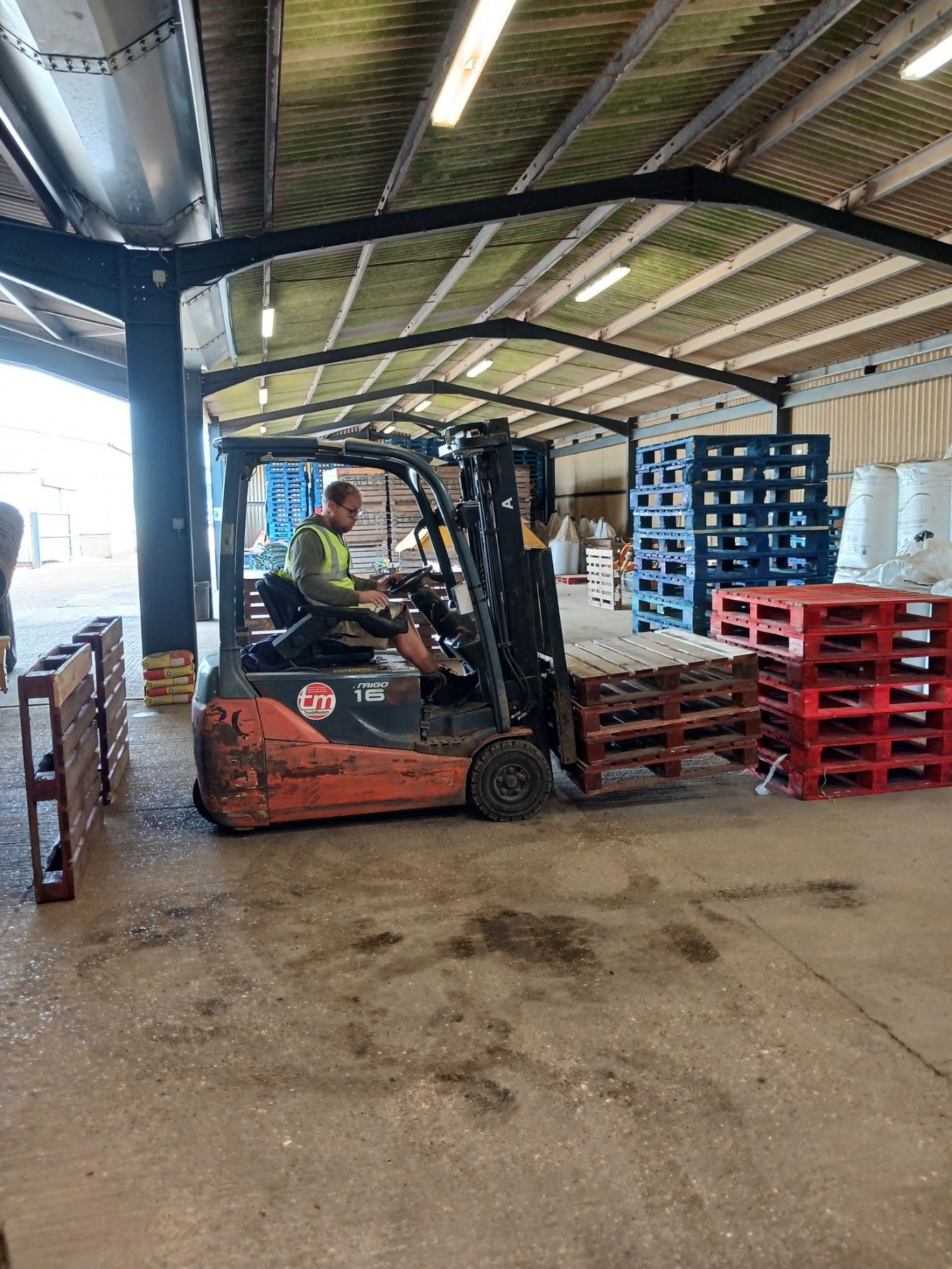
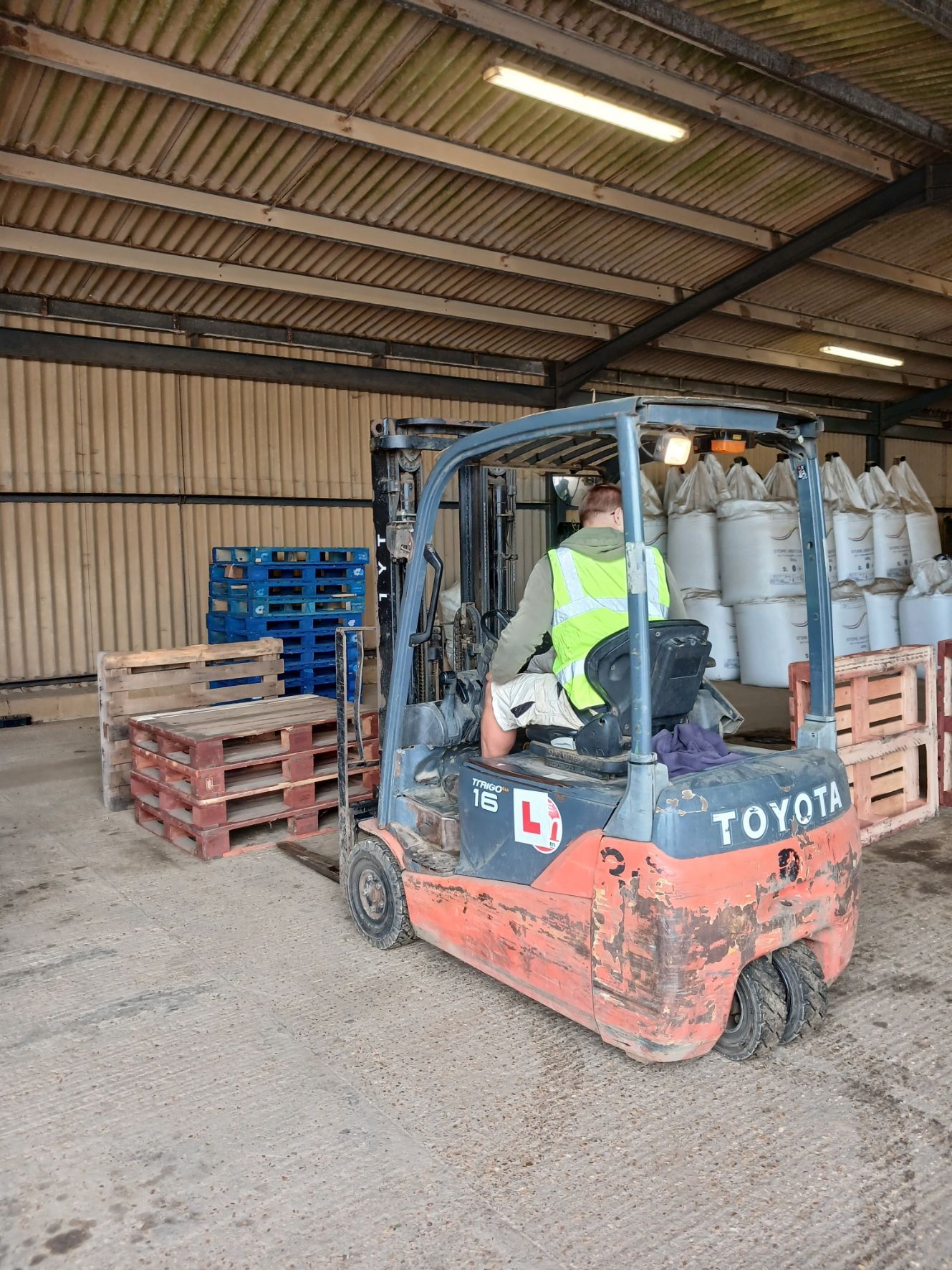
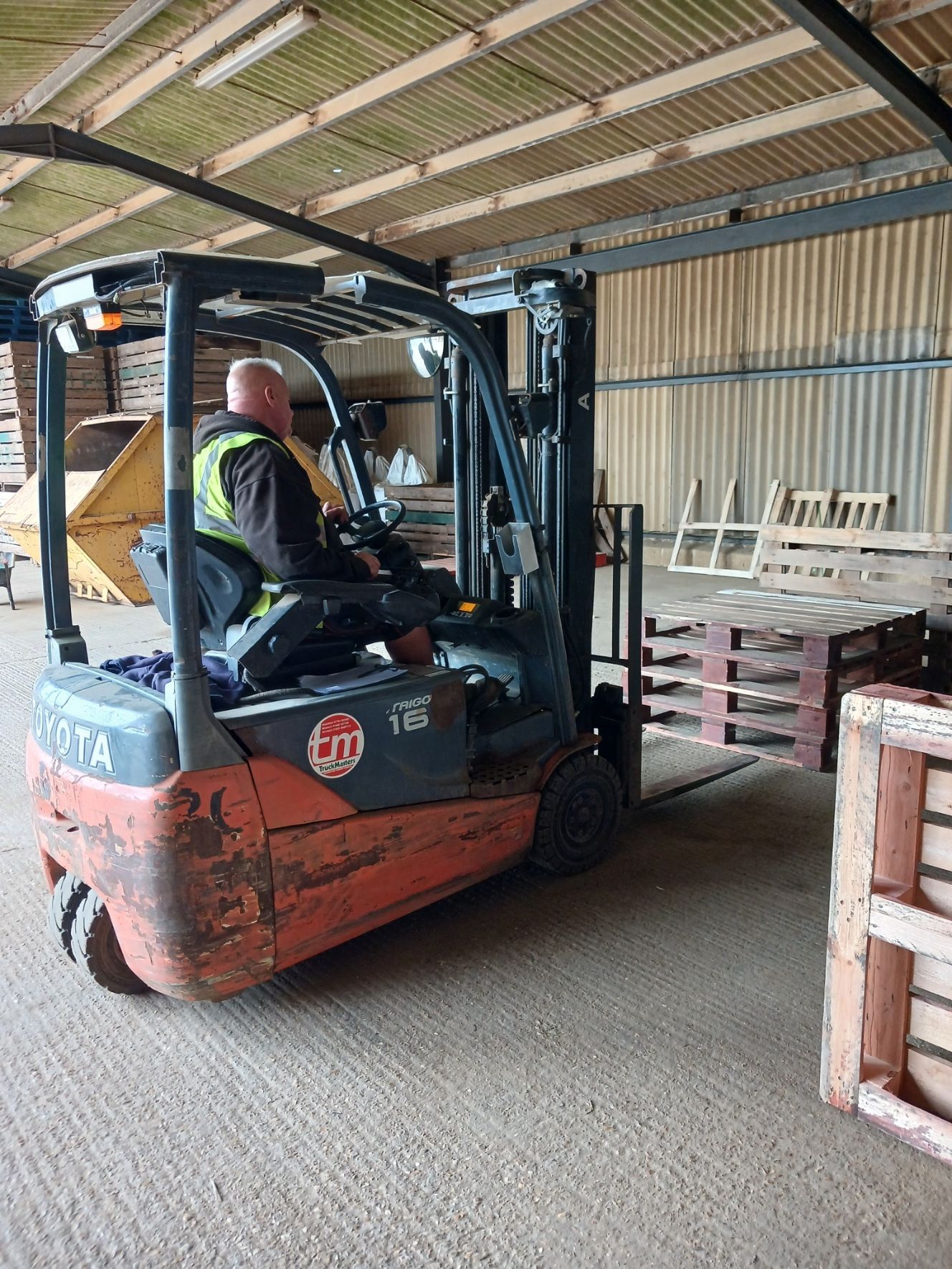
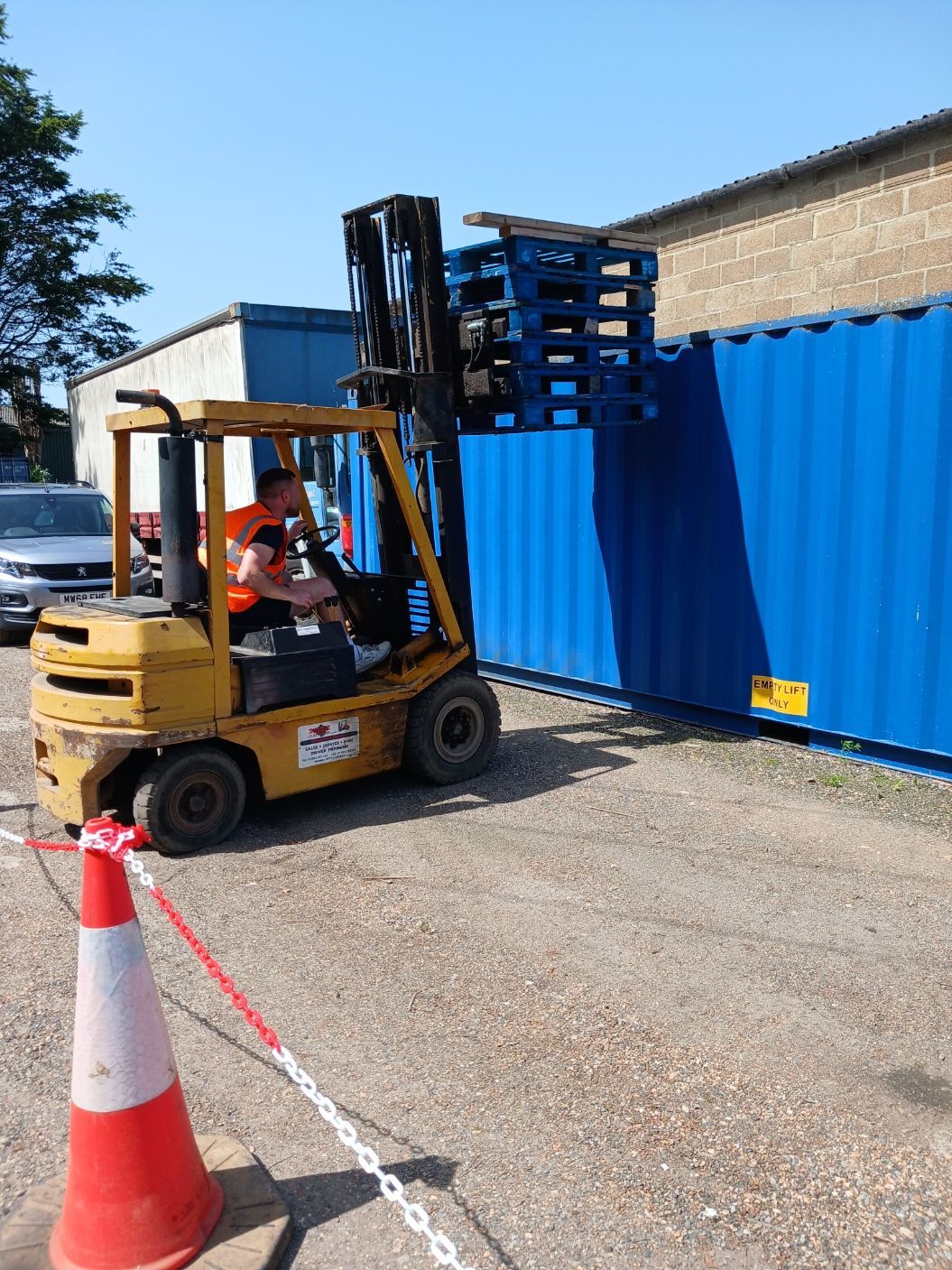
And as you can see from the photos, Chris has certainly been putting in the practice!
With a Toyota counterbalance forklift, a selection of pallets and plenty of space to work on his manoeuvring, it was a great opportunity to develop those all-important operating skills.
Everyone Starts with the Basics
Learning to operate a forklift isn't quite the same as learning to drive a car.
For starters, you've got rear-wheel steering, a machine that handles differently depending on whether it's carrying a load, and a mast and forks that require careful control.
Then there's the small matter of manoeuvring around obstacles, positioning loads accurately and making sure everything remains stable.
It's a lot to think about when you're starting out!
That's why I always encourage trainees to take their time and concentrate on getting the basics right.
With Chris, the focus was on developing good operating habits from the outset, including smooth steering, controlled movements, correct fork positioning and maintaining awareness of what's happening around the truck.
After all, it's much easier to learn good habits from the beginning than to correct bad ones further down the line.
Pallet Stacking – Not Quite as Easy as It Looks!
One of the practical challenges during Chris's training involved working with stacks of wooden pallets.
Now, picking up a pallet might look straightforward when you watch an experienced operator doing it, but there's a surprising amount of skill involved.
You need to approach the load correctly, position the forks, maintain stability and ensure the pallet is properly supported before lifting.
And when it comes to placing pallets onto a stack, accuracy becomes even more important.
Raise the forks too high, approach at the wrong angle or rush the positioning, and things can quickly become awkward.
Chris was getting some valuable practice with these exercises, working on the coordination and control needed to position loads accurately.
It's all about building confidence through repetition, rather than trying to do everything at full speed.
As I often tell trainees: "Get it right first. The speed will come with experience."
Those L Plates Are Something to Be Proud Of!
I had to smile seeing Chris proudly displaying his L plates on the forklift.
There's sometimes a bit of reluctance among adults when it comes to being a learner again, especially in a workplace where other people might already have years of experience.
But there's no shame in learning something new.
In fact, I'd much rather see someone taking their training seriously, asking questions and practising properly than someone jumping onto a machine thinking they already know everything.
Forklift training isn't about showing off. It's about understanding the equipment, recognising the risks and learning how to operate safely.
And if a set of L plates helps bring a bit of humour to the training, all the better!
Why Practical Forklift Training Matters
There's only so much you can learn about forklift operation from sitting in a classroom.
You can talk about stability, steering and load handling all day long, but it's when you actually get behind the controls that everything starts to make sense.
That's why practical training forms such an important part of my courses.
With Chris, working around the pallets provided the opportunity to develop several key skills:
- Steering and manoeuvring: Understanding how the rear-wheel steering affects the truck's movement.
- Fork positioning: Approaching pallets correctly and adjusting the forks for safe handling.
- Lifting and lowering: Developing smooth, controlled use of the hydraulic controls.
- Stacking and de-stacking: Positioning loads accurately while maintaining stability.
- Observation and awareness: Keeping an eye on surroundings, obstacles and other potential hazards.
These are the foundations of safe forklift operation, whether you're working in a warehouse, a builders' merchant, an agricultural business or an industrial yard.
What Is a B1 Counterbalance Forklift?
For anyone unfamiliar with forklift categories, the B1 classification covers counterbalance forklift trucks with a rated capacity of up to 5,000 kg.
They're among the most widely used forklift trucks in the workplace, and for good reason.
A counterbalance forklift is a versatile machine, capable of moving palletised goods, loading and unloading vehicles, and handling materials in a wide range of environments.
However, just because they're common doesn't mean they're simple to operate safely.
Operators need proper training, an understanding of the truck's capabilities and limitations, and the ability to recognise potential hazards.
A structured B1 counterbalance forklift course helps develop those skills, with practical and theoretical training followed by appropriate assessments.
Training on the Equipment You'll Actually Use
One of the benefits of Wight Training Services is that I deliver training on-site, using the customer's own equipment wherever possible.
This means trainees can become familiar with the forklift they'll be using at work, rather than learning on a completely different machine at an external training centre.
It also gives us the opportunity to incorporate the sort of tasks they'll encounter in their normal working environment.
For employers, this approach can be more convenient and cost-effective, while helping to minimise disruption to the business.
And for trainees like Chris, it means the skills they're developing have a direct connection to the work they'll be doing.
Keep Up the Good Work, Chris!
It's been good seeing Chris getting stuck into his B1 counterbalance training and developing his skills with the Toyota forklift.
Learning something new takes patience, concentration and plenty of practice, particularly when you're trying to coordinate steering, hydraulics and load positioning all at once.
But that's exactly what training is for.
The aim isn't to turn someone into an expert overnight. It's to give them the knowledge, practical skills and confidence to operate safely, with a solid foundation they can continue to build on.
Keep up the good work, Chris – and wear those L plates with pride!






















 by
by