From Novice to Job-Ready: Dan’s Telehandler Training in Action
How on-site telehandler training helps new operators build safe habits, practical confidence and real workplace competence from day one.
TL;DR:
- Dan from Wight Building Supplies completed B1 novice telehandler training.
- He also covered essential pre-use checks for safe daily operation.
- The course included a conversion to J3 Telehandler.
- On-site training means learning with familiar equipment and real conditions.
- Practical training helps operators work more safely, confidently and efficiently.
There is a big difference between simply getting on a machine and knowing how to operate it properly. That is exactly why structured training matters.
Recently, Dan from Wight Building Supplies completed his B1 novice training, followed by pre-use checks and a conversion to J3 Telehandler with Wight Training Services. It was a solid example of how the right training builds skill step by step, rather than rushing straight to the end result.
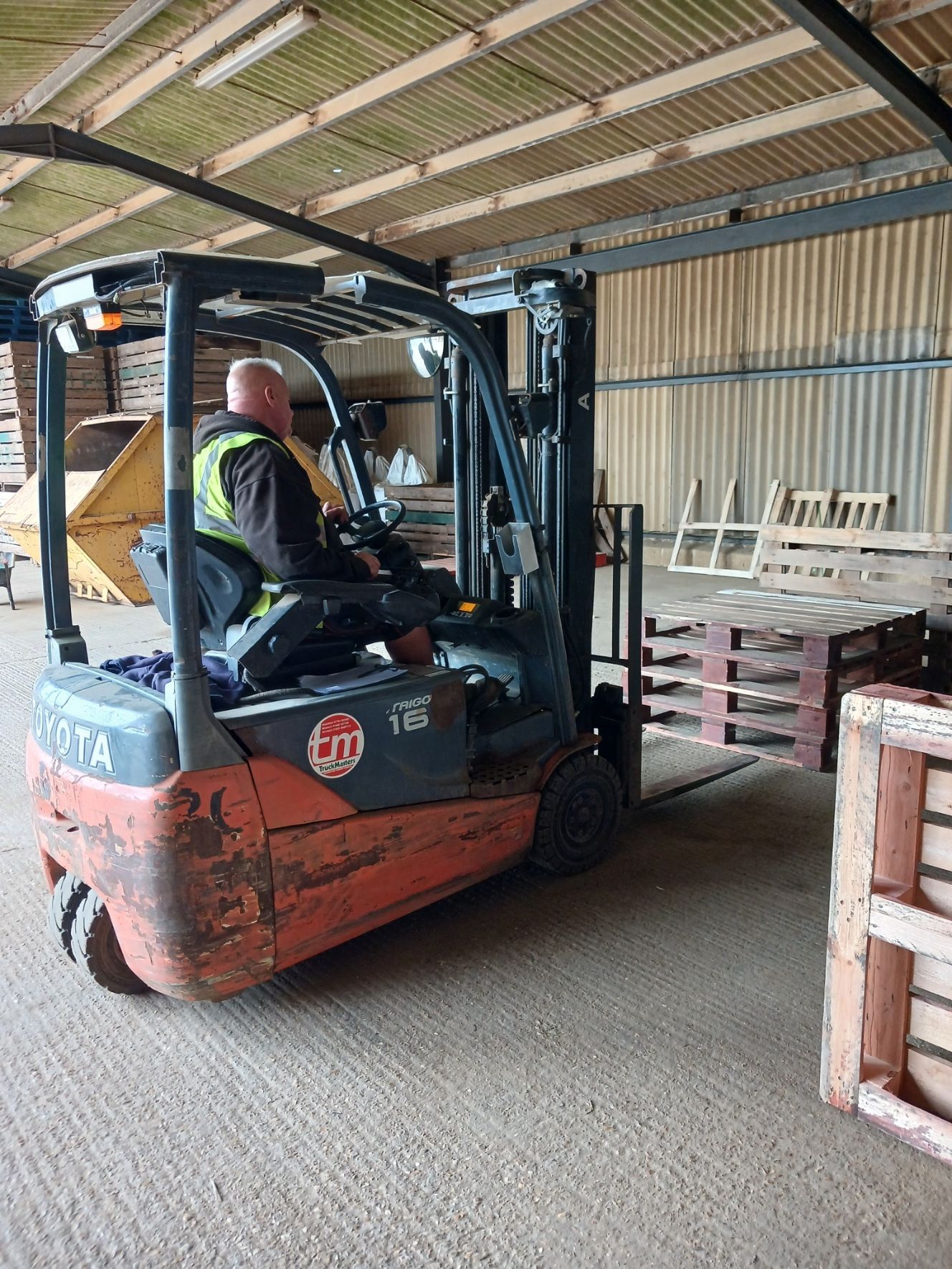
When someone starts as a novice, the focus is not just on moving the machine. It is about building the right habits from the beginning. That means understanding the machine, carrying out checks properly, knowing the operating limits, reading the environment, and working safely around materials, pedestrians and other site activity.
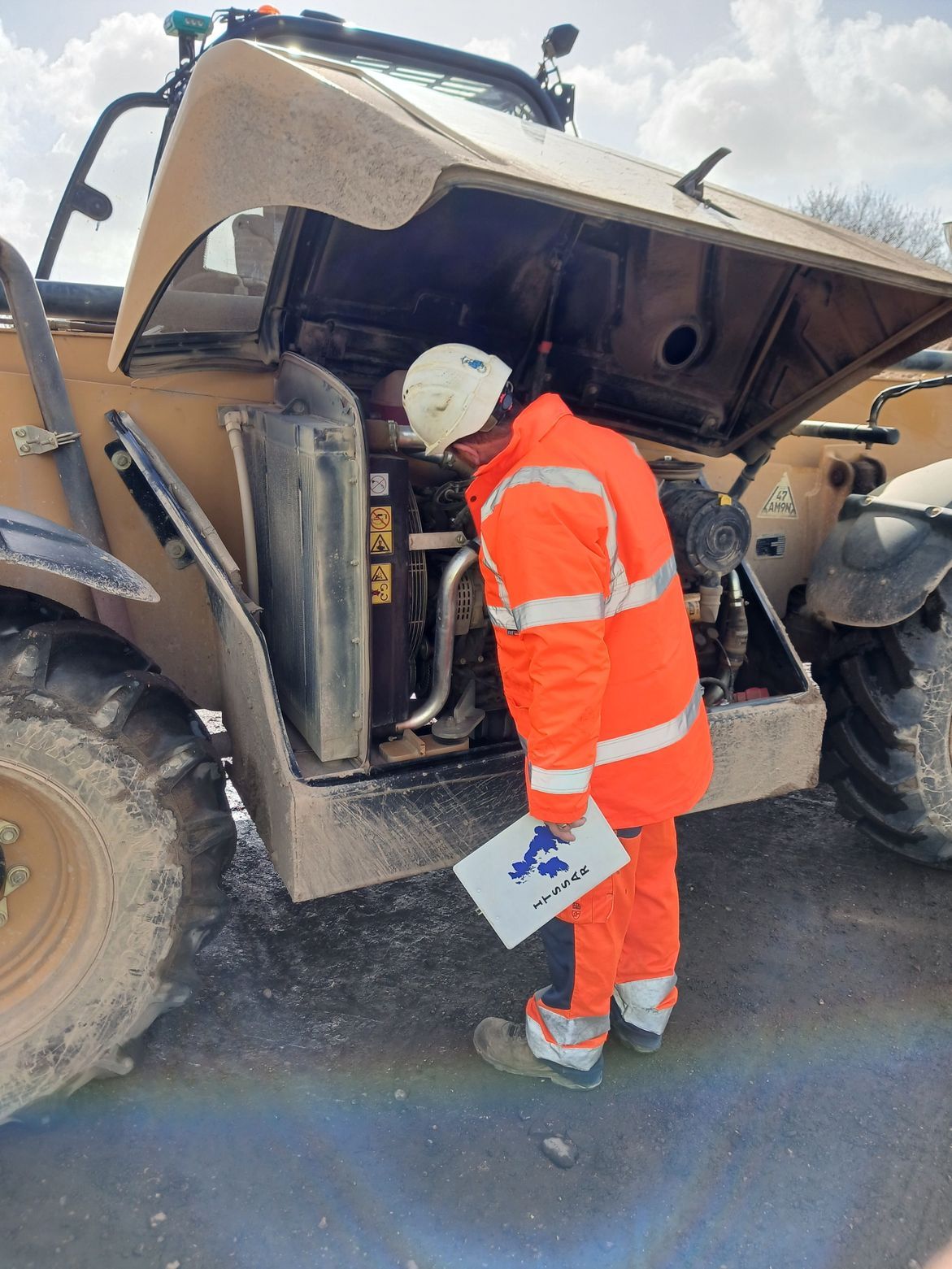
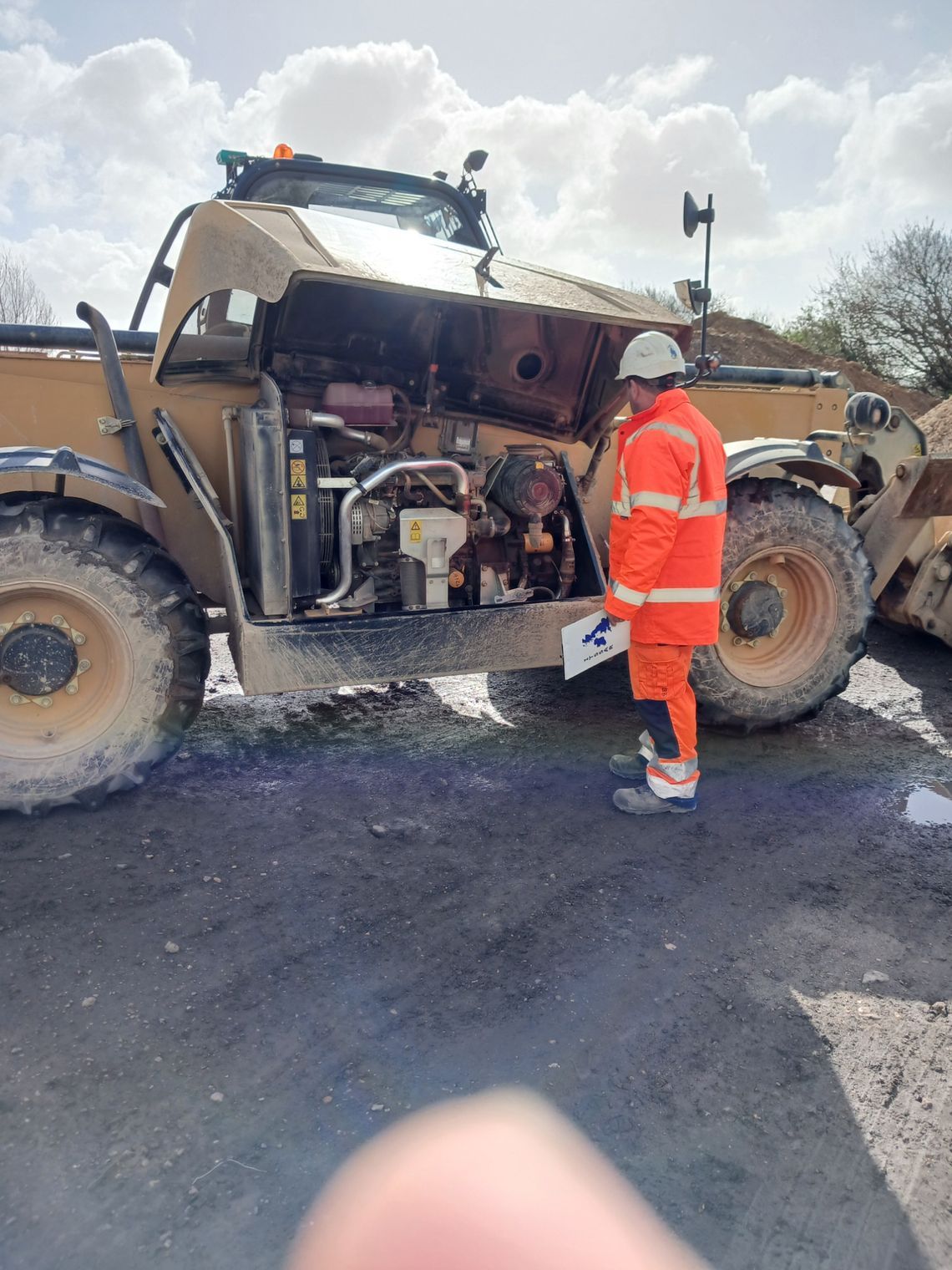
With telehandler training, the basics matter. A good operator needs to know how to assess the machine before use, how to spot obvious defects, and how to make sure it is fit for work before the day really begins. Pre-use checks are sometimes seen as a formality, but they are one of the most important parts of safe operation. They help prevent breakdowns, reduce risk and support a safer working site overall.
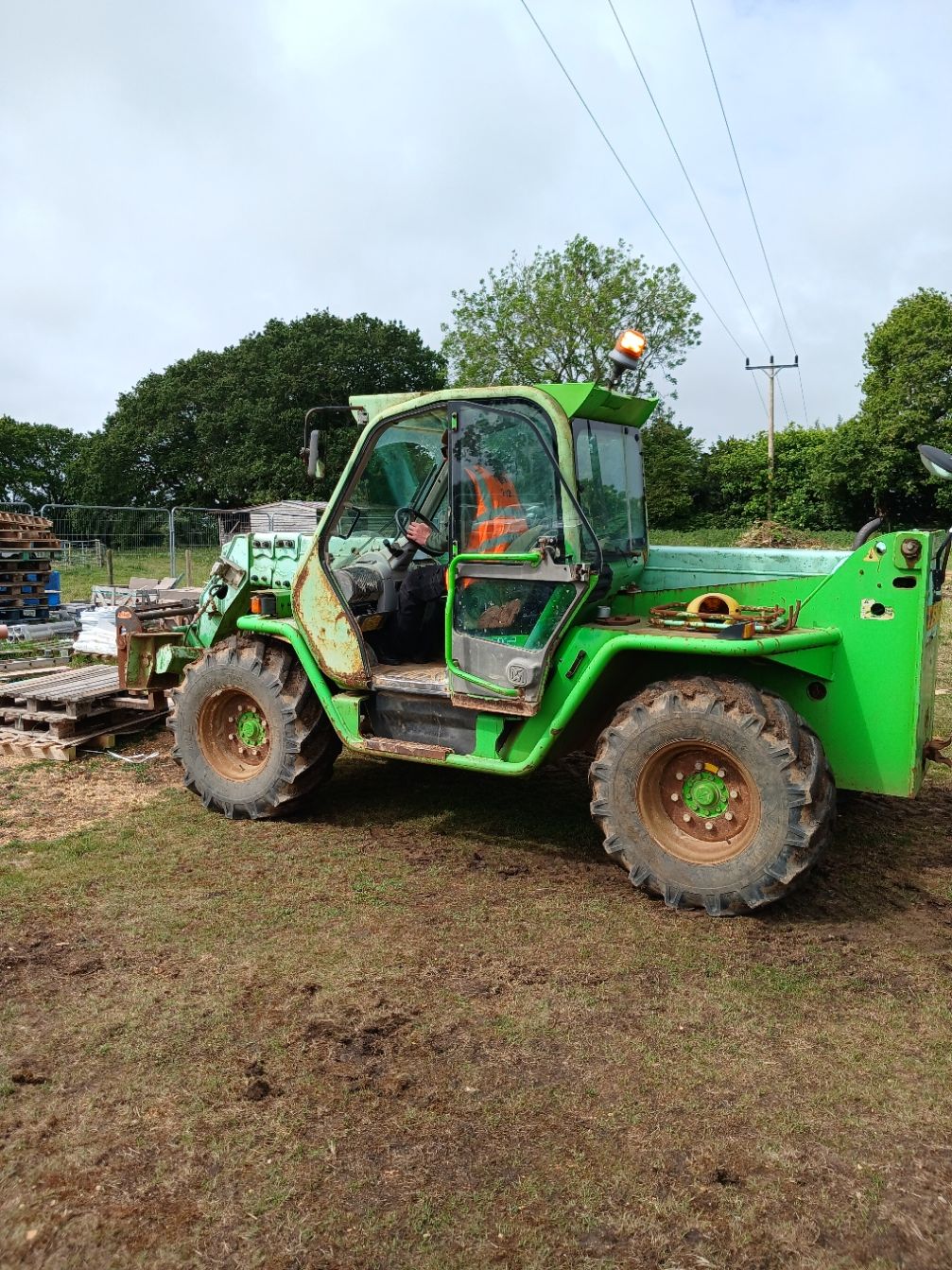
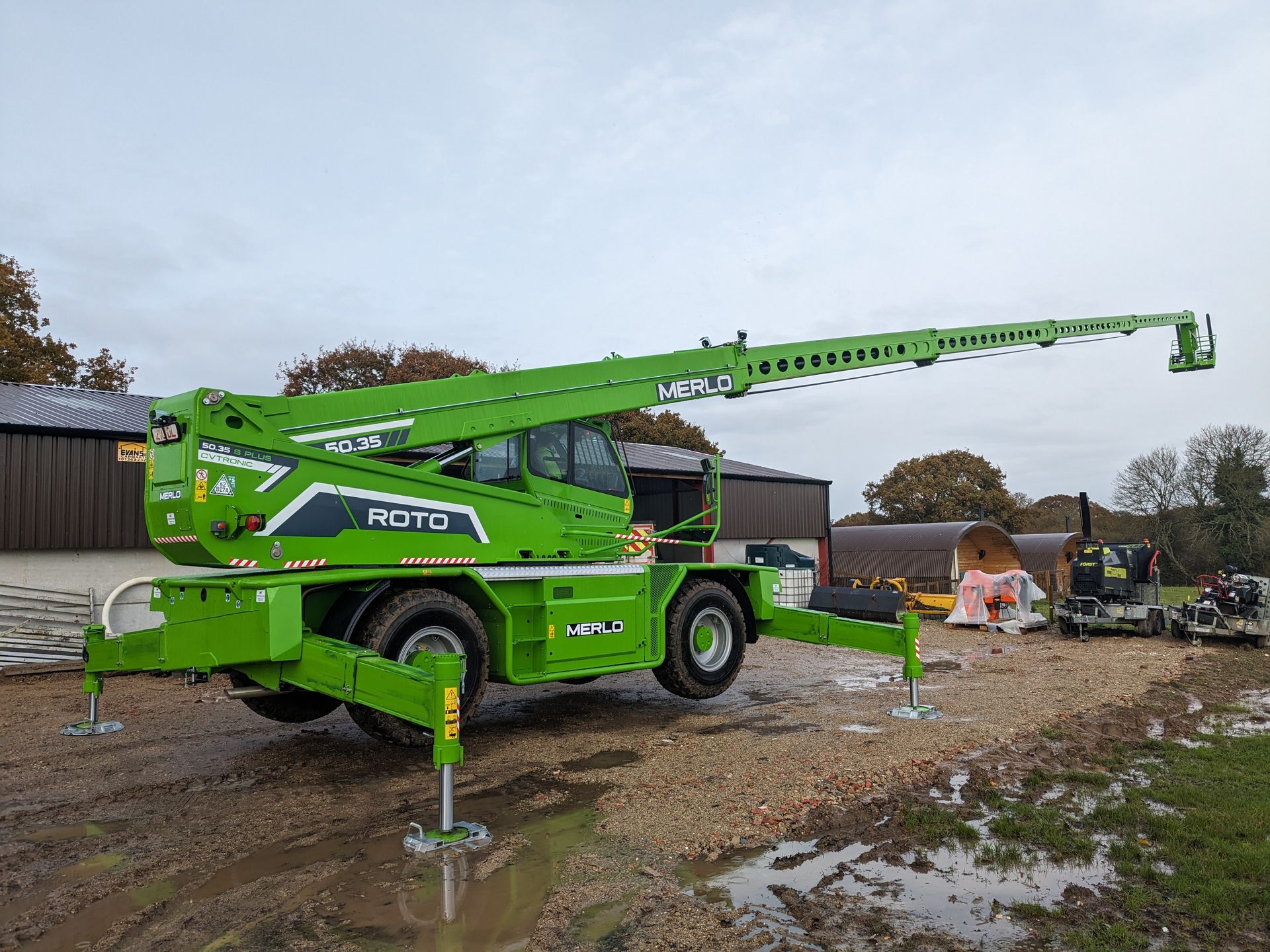
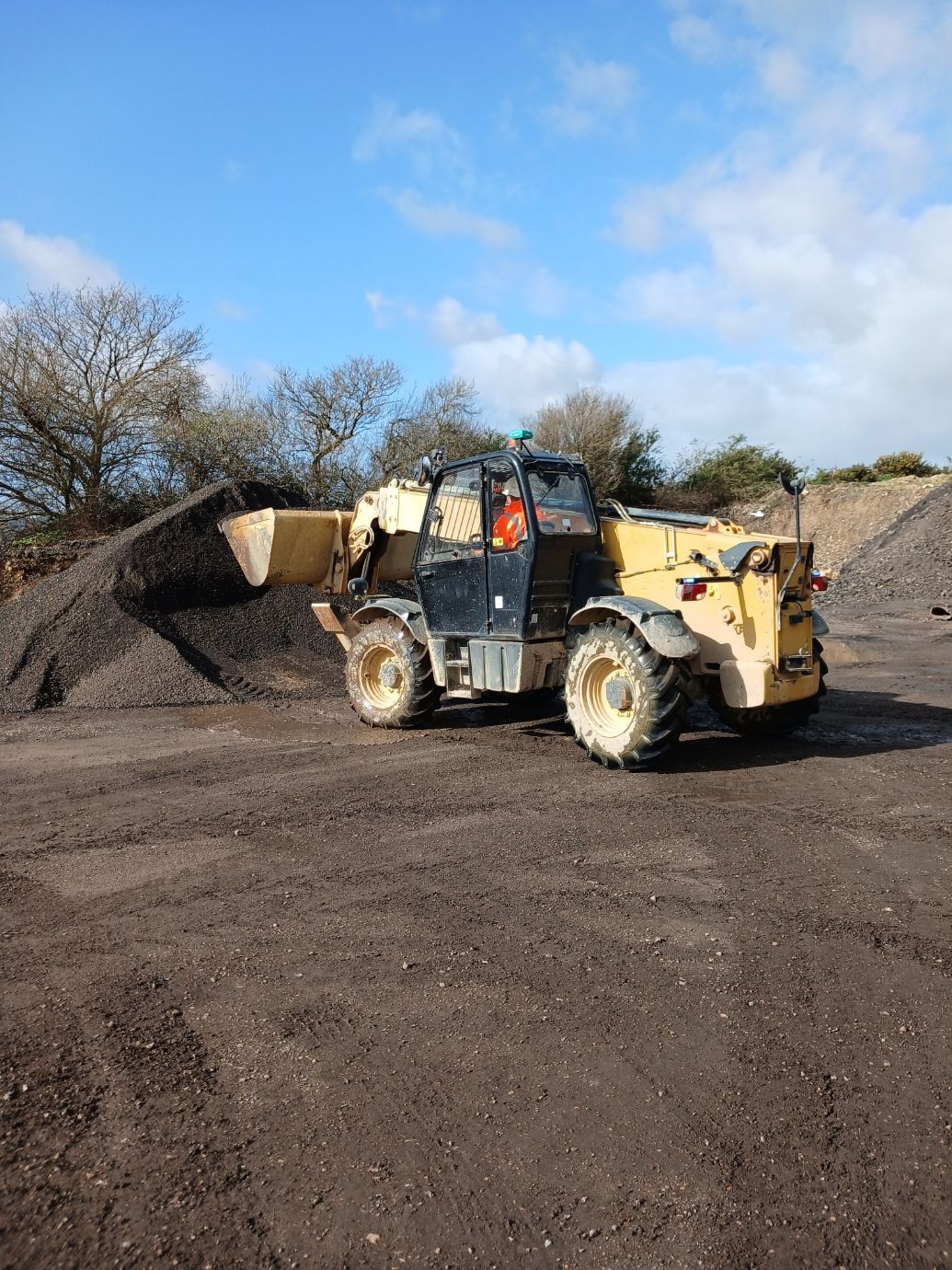
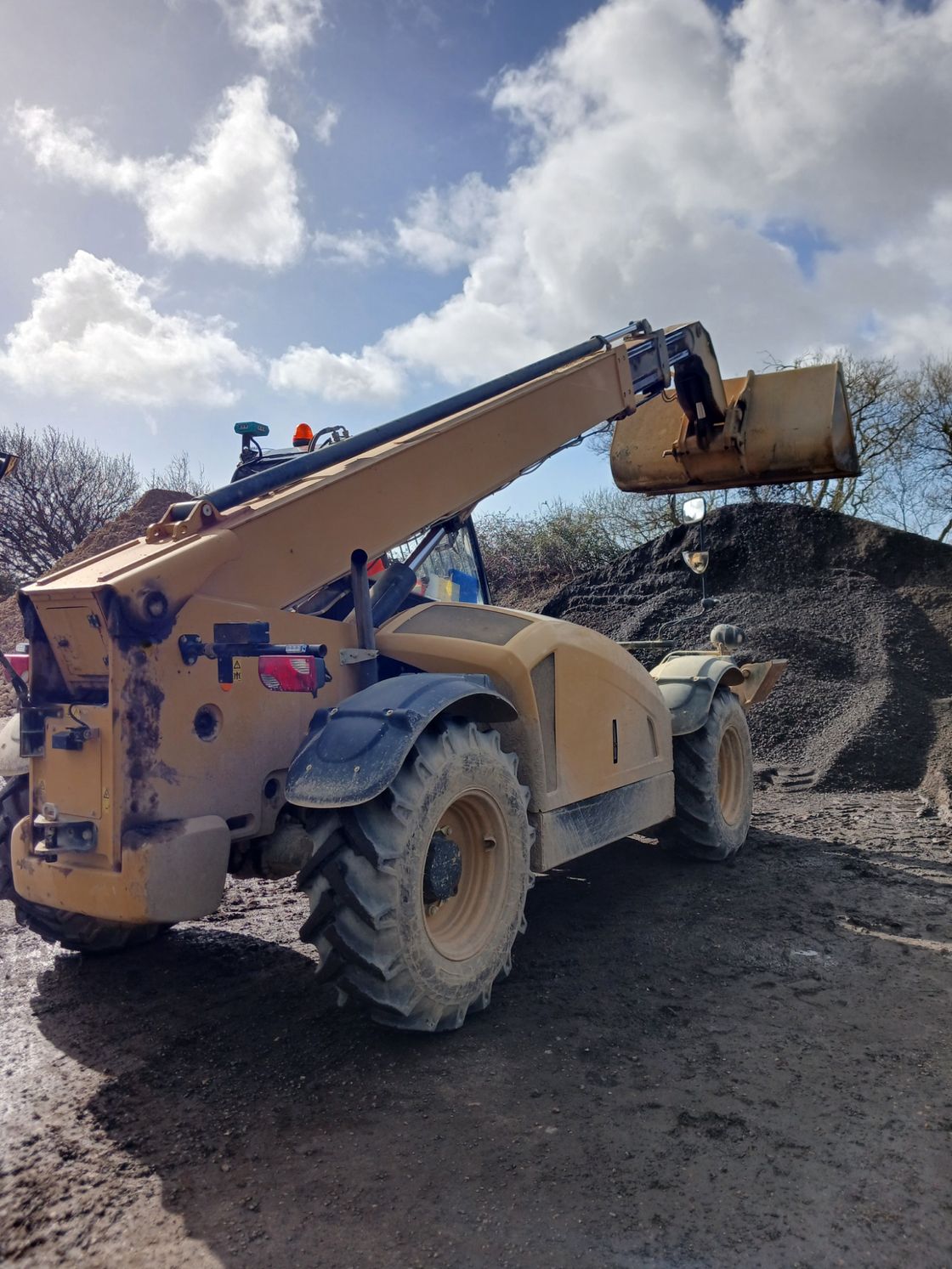
In Dan’s case, this also included a conversion to J3 Telehandler, giving him the opportunity to expand his ability on another truck type. Conversion training is valuable because it recognises that even experienced operators need time to understand the differences between machines. Controls, handling, visibility and attachments can all vary, and those differences matter in real working conditions.
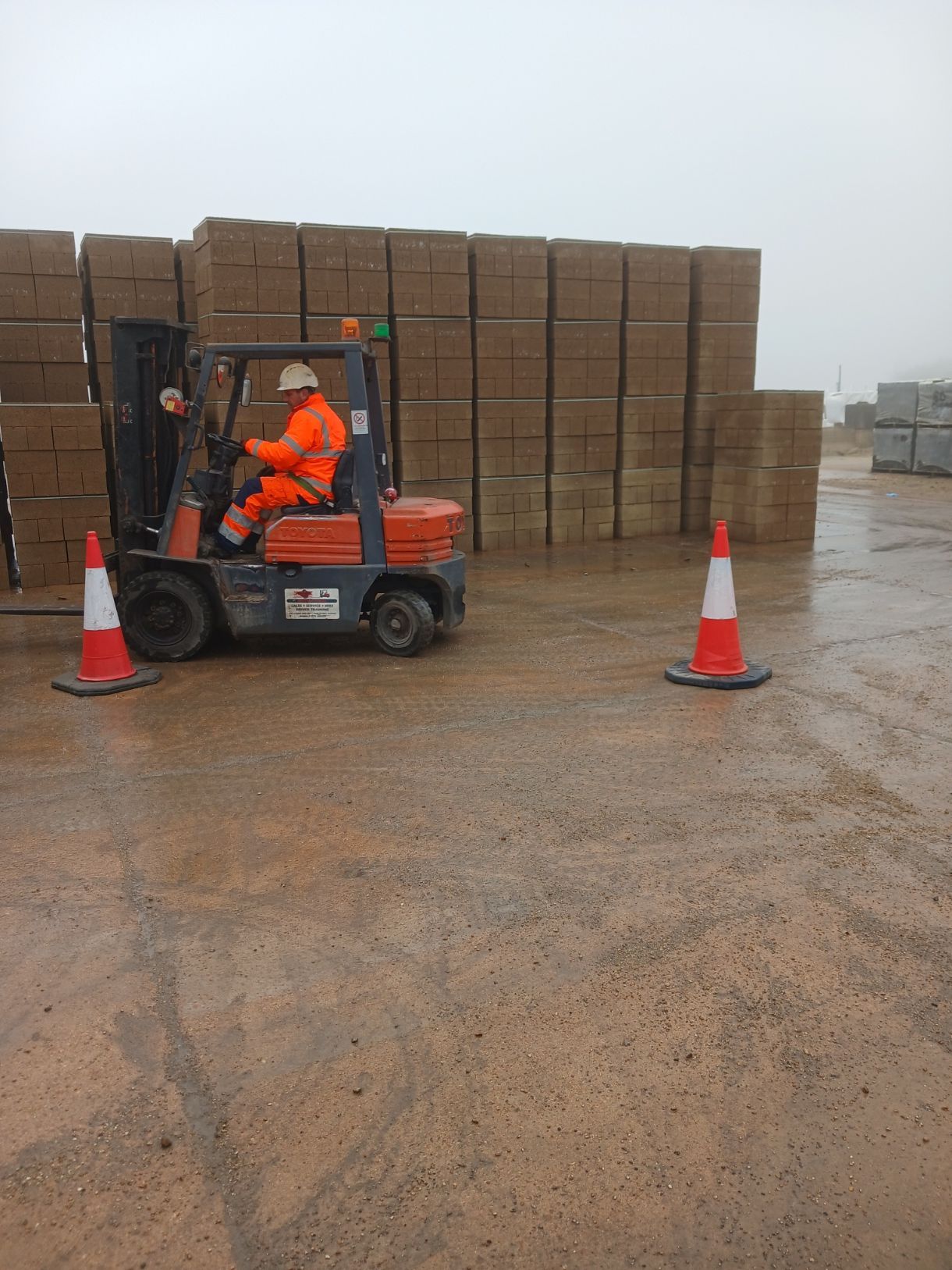
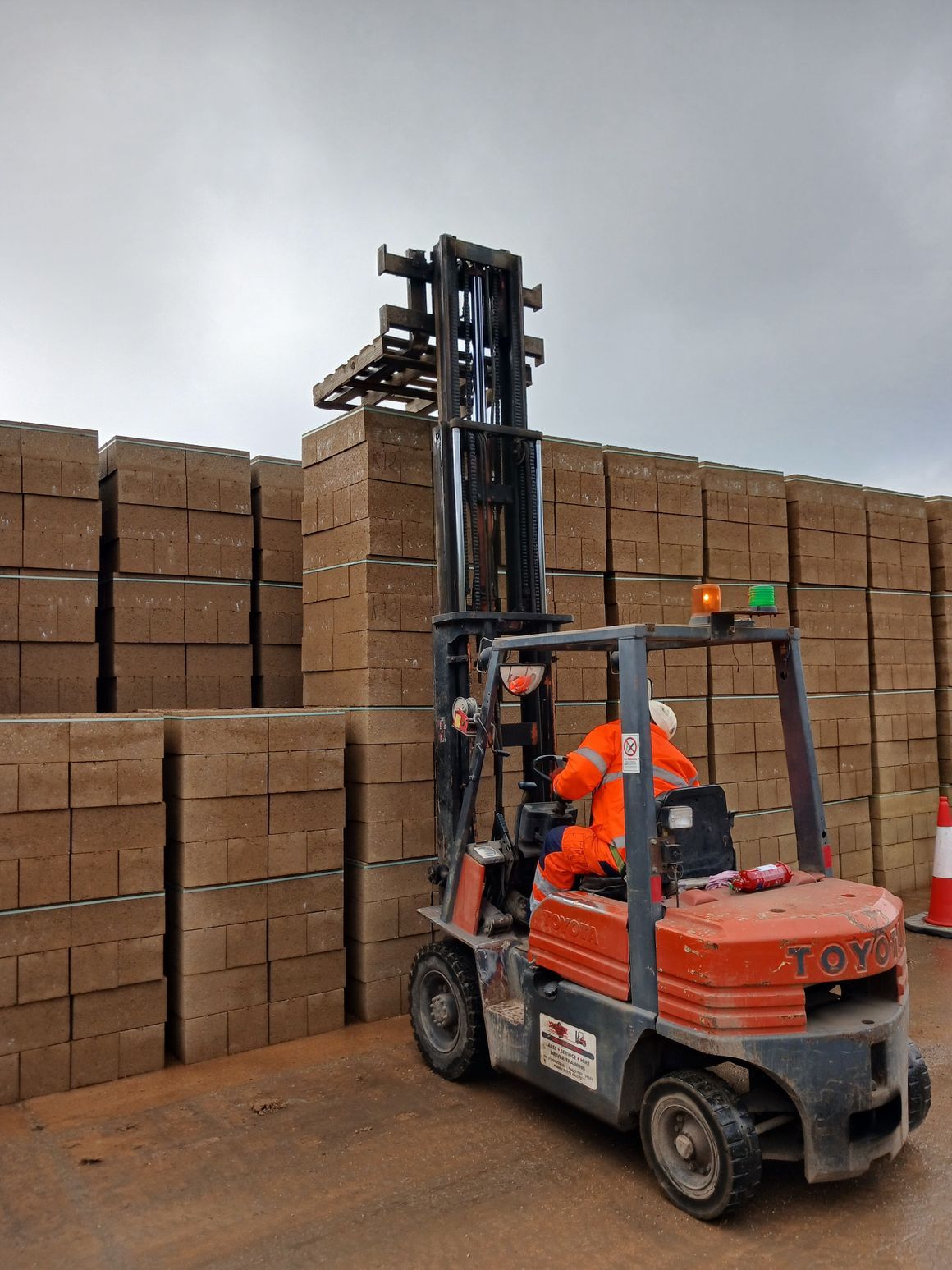
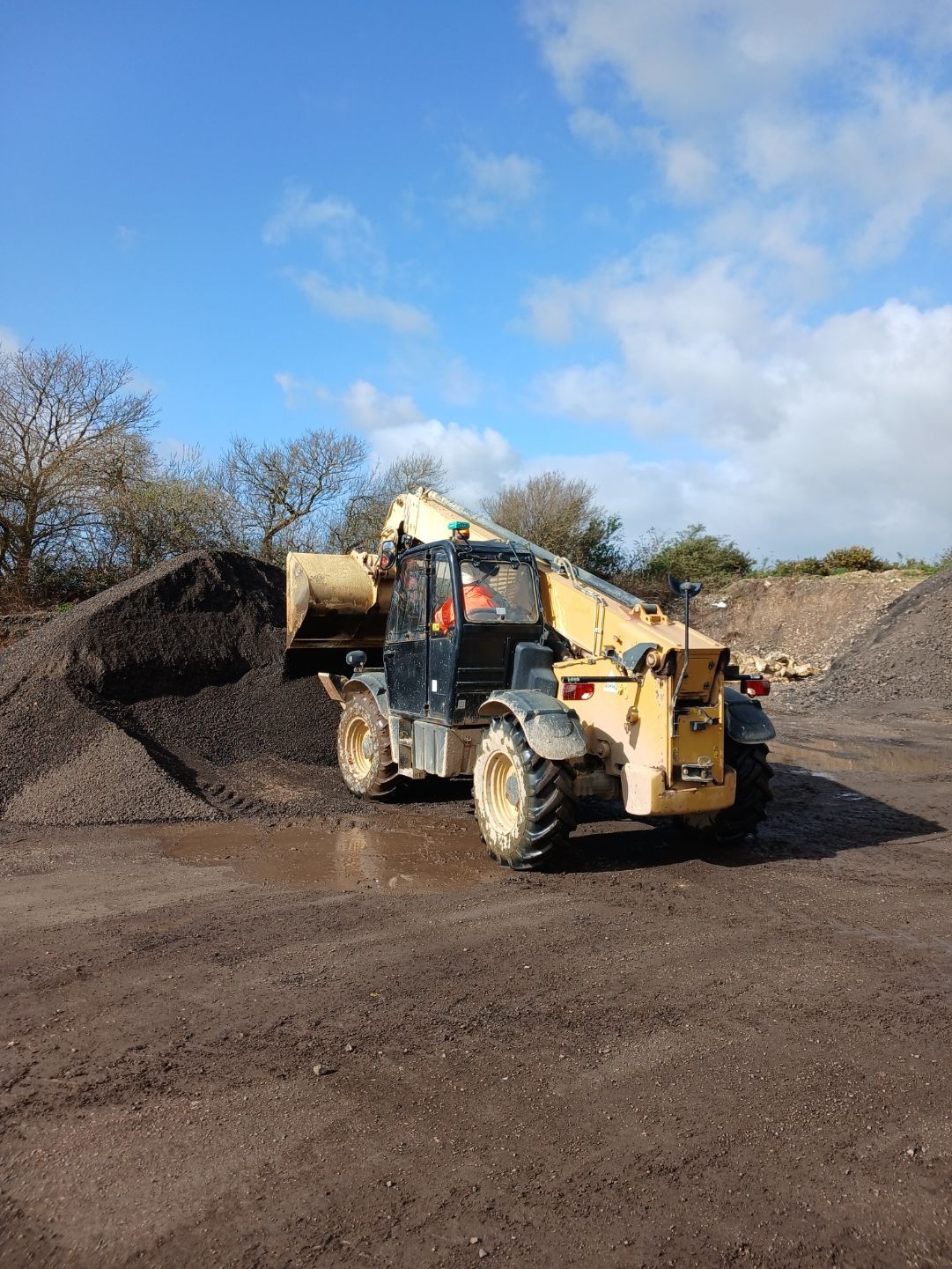
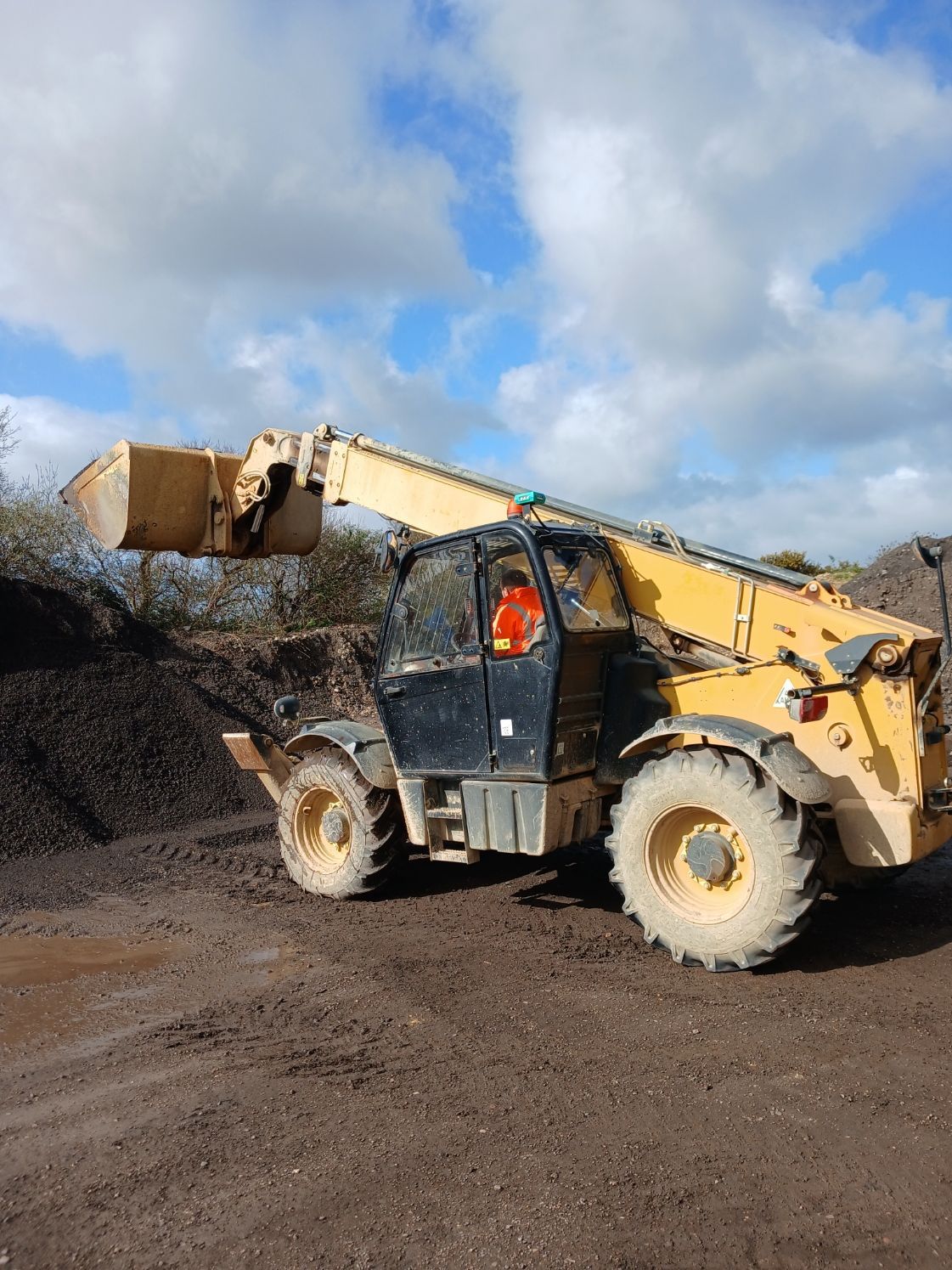
What makes on-site training especially effective is that it happens in the environment where the operator will actually be working. Instead of learning in an unfamiliar setting, delegates train around the same materials, space restrictions and day-to-day site conditions they already know. That makes the training more relevant and more practical from the start.
As I often say, safe operation starts long before the machine moves. It starts with checks, awareness and understanding what the truck is doing at all times.
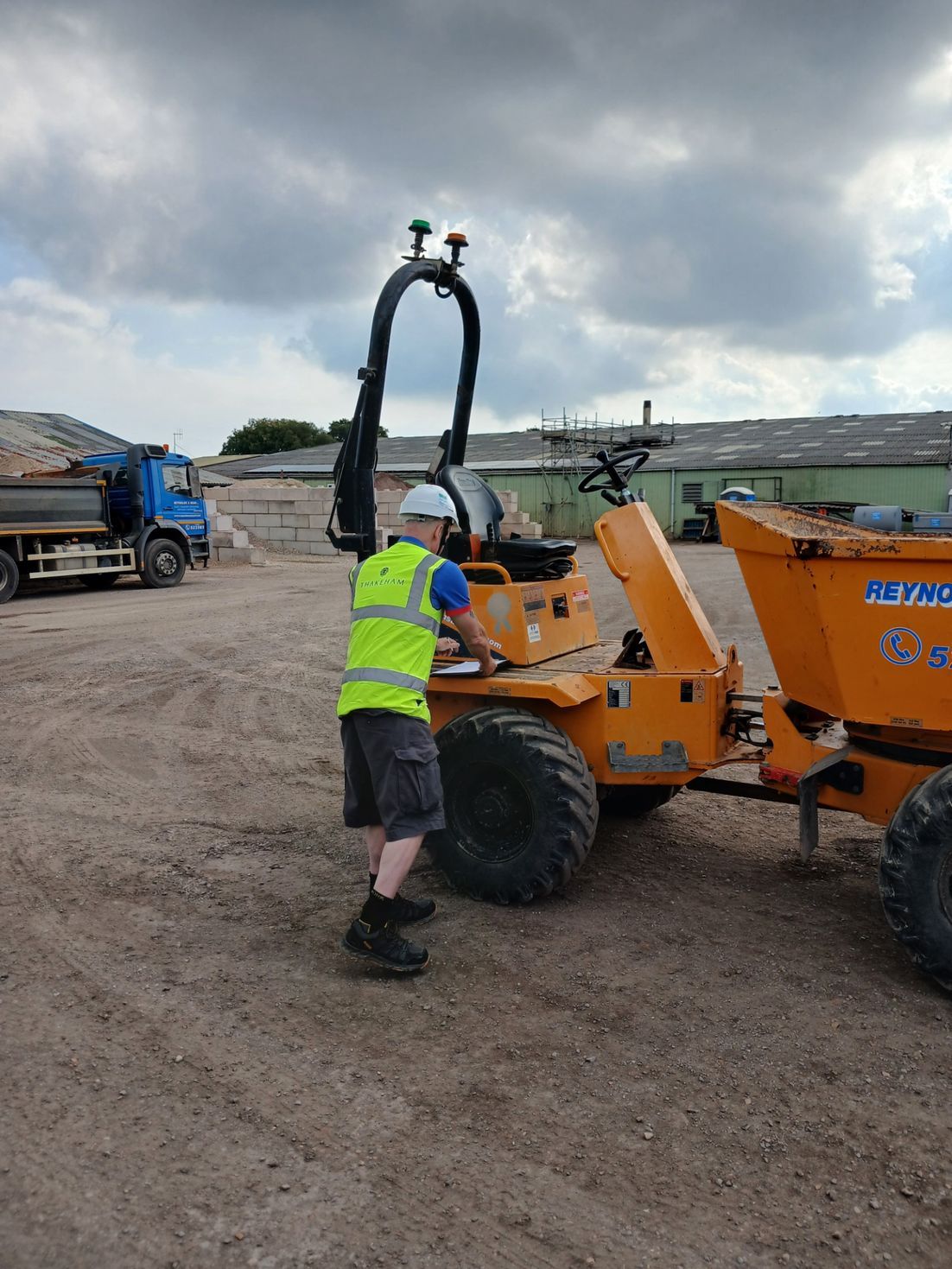
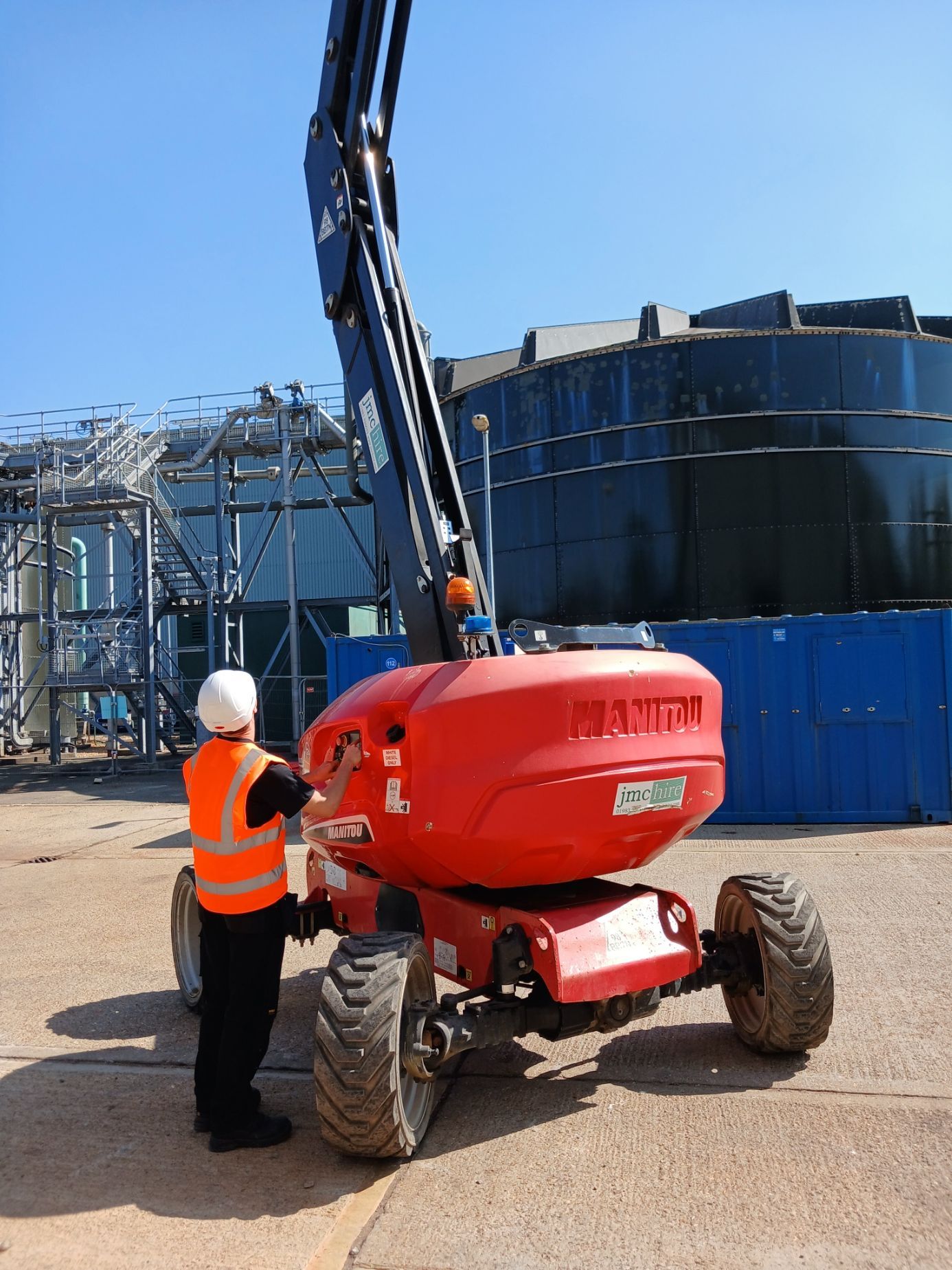
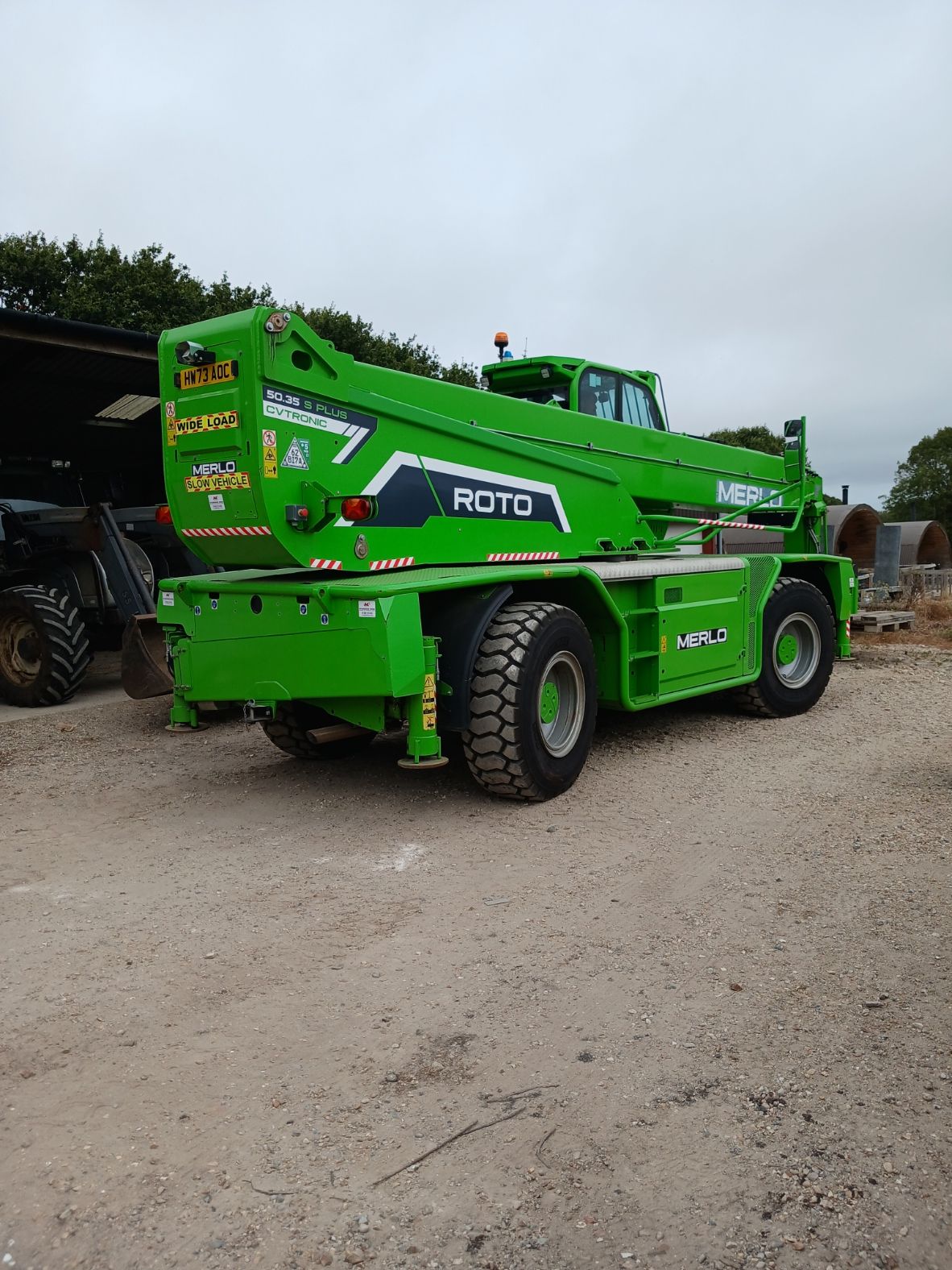
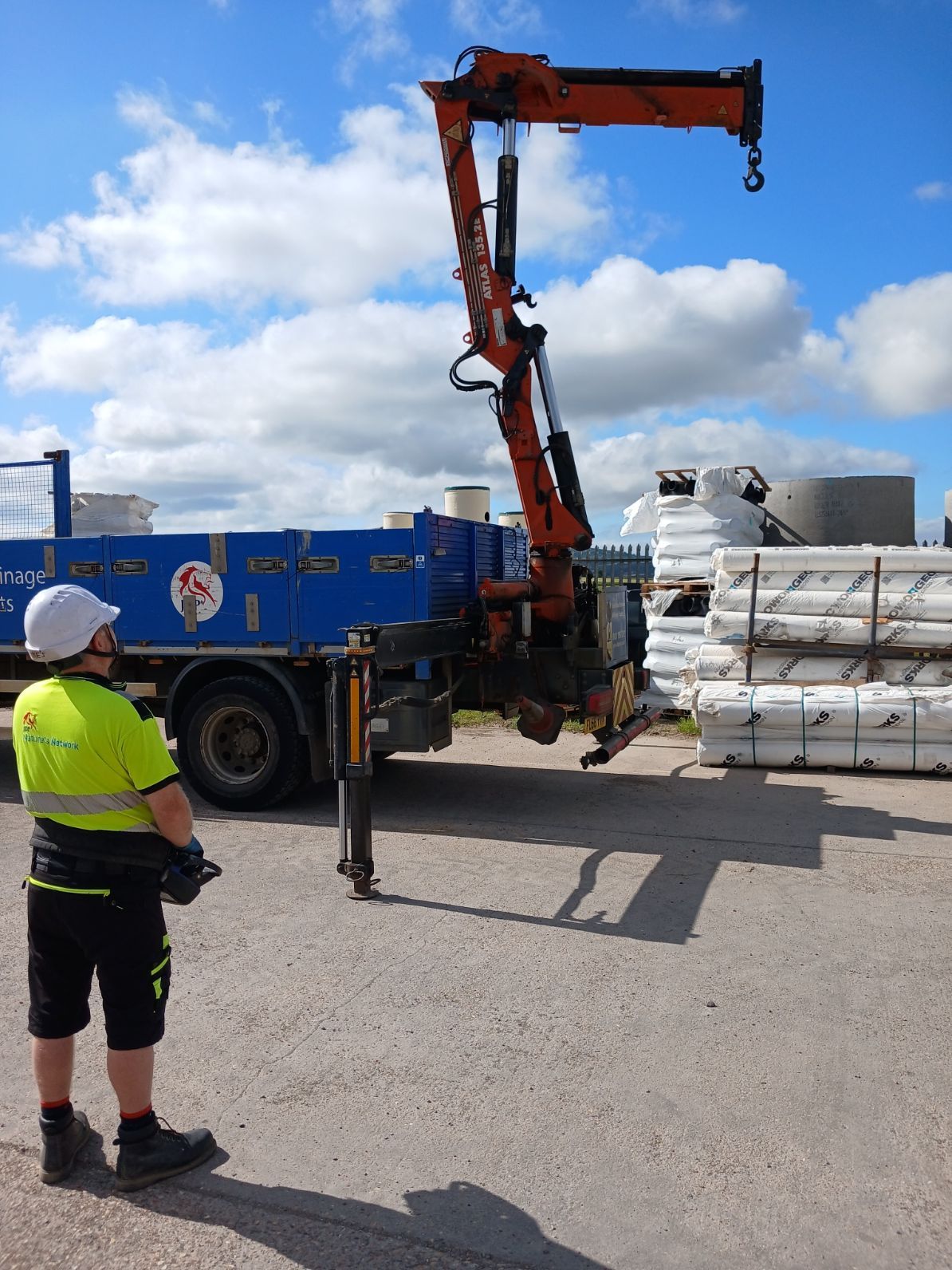
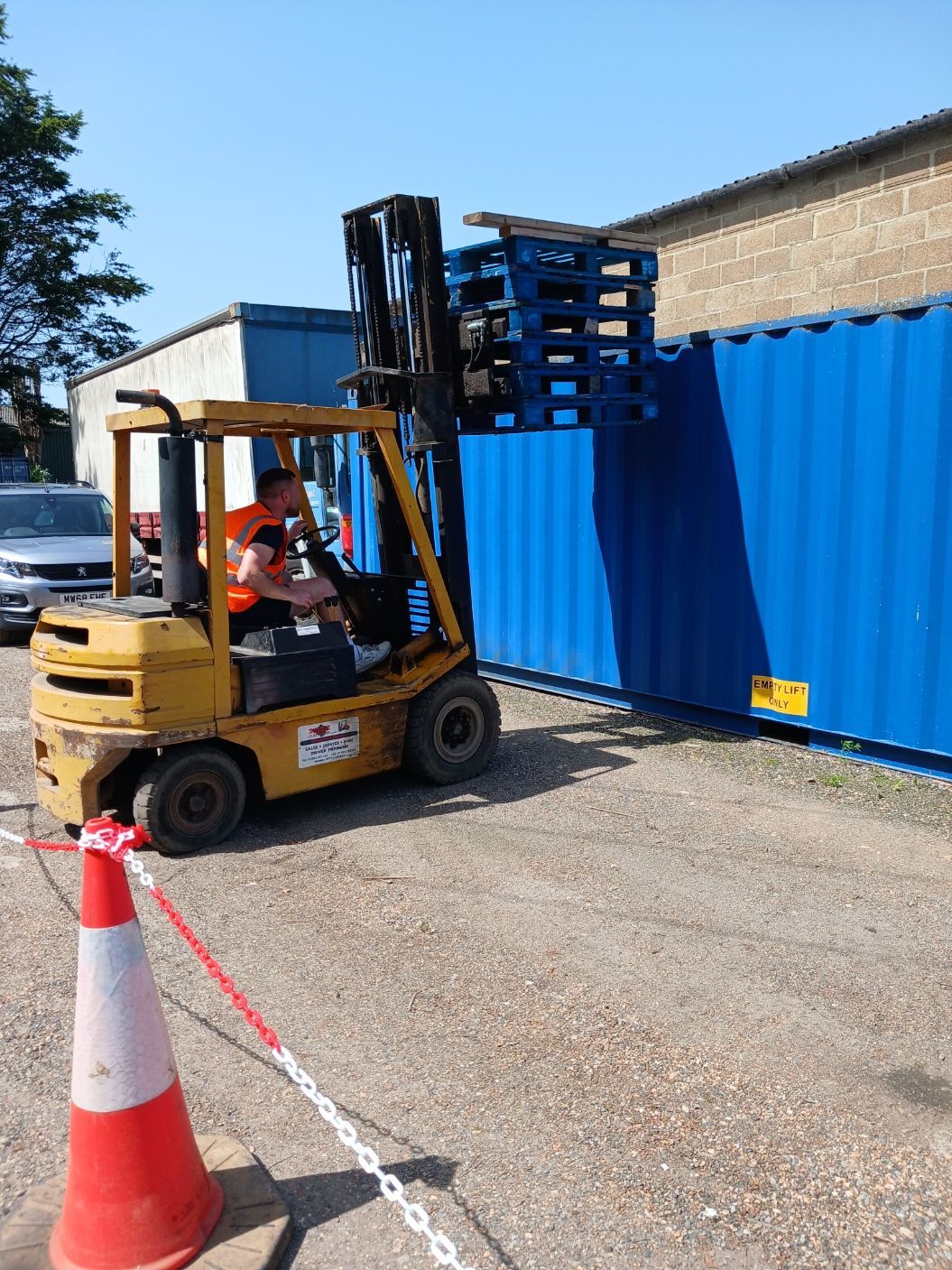
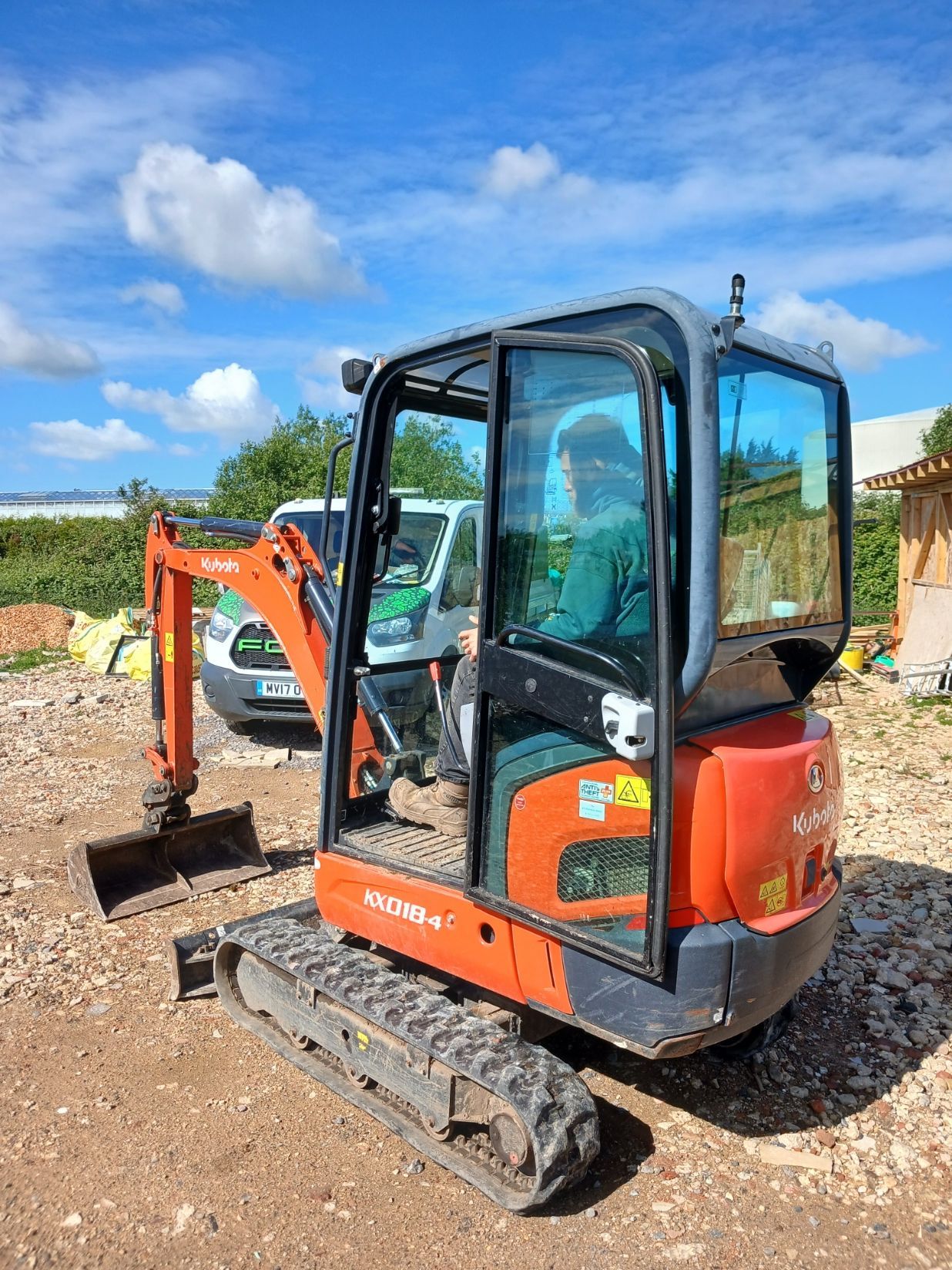
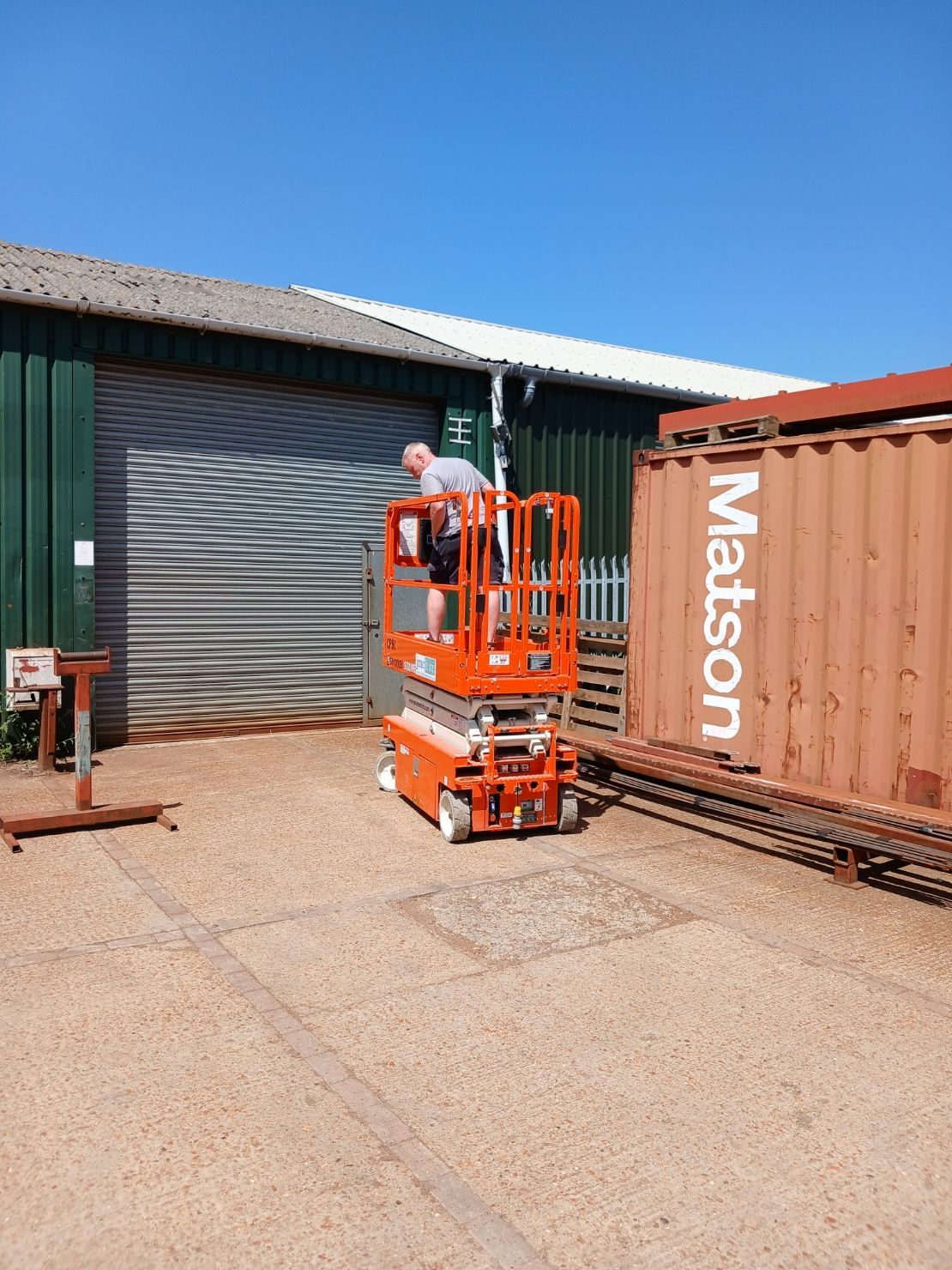
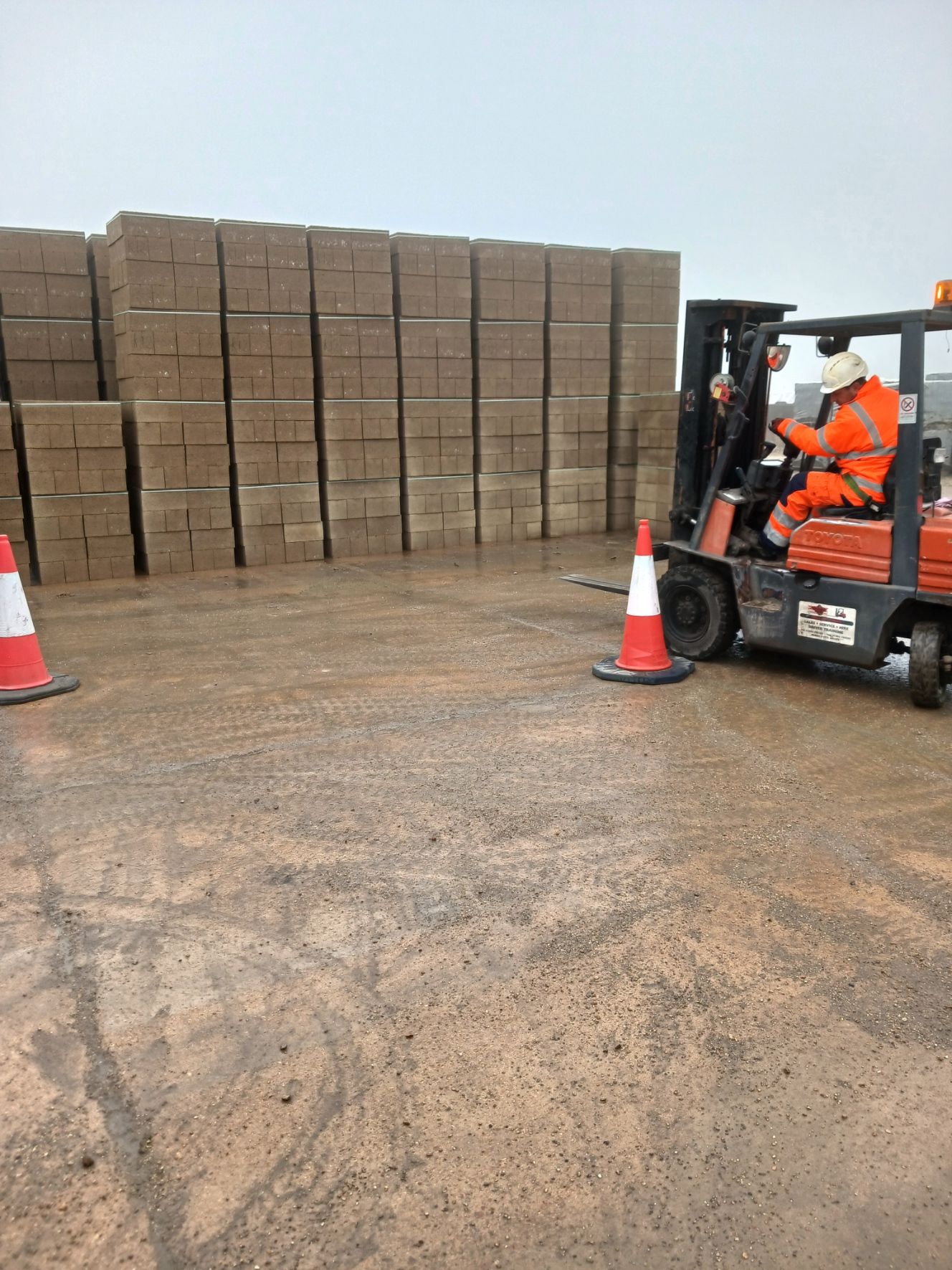
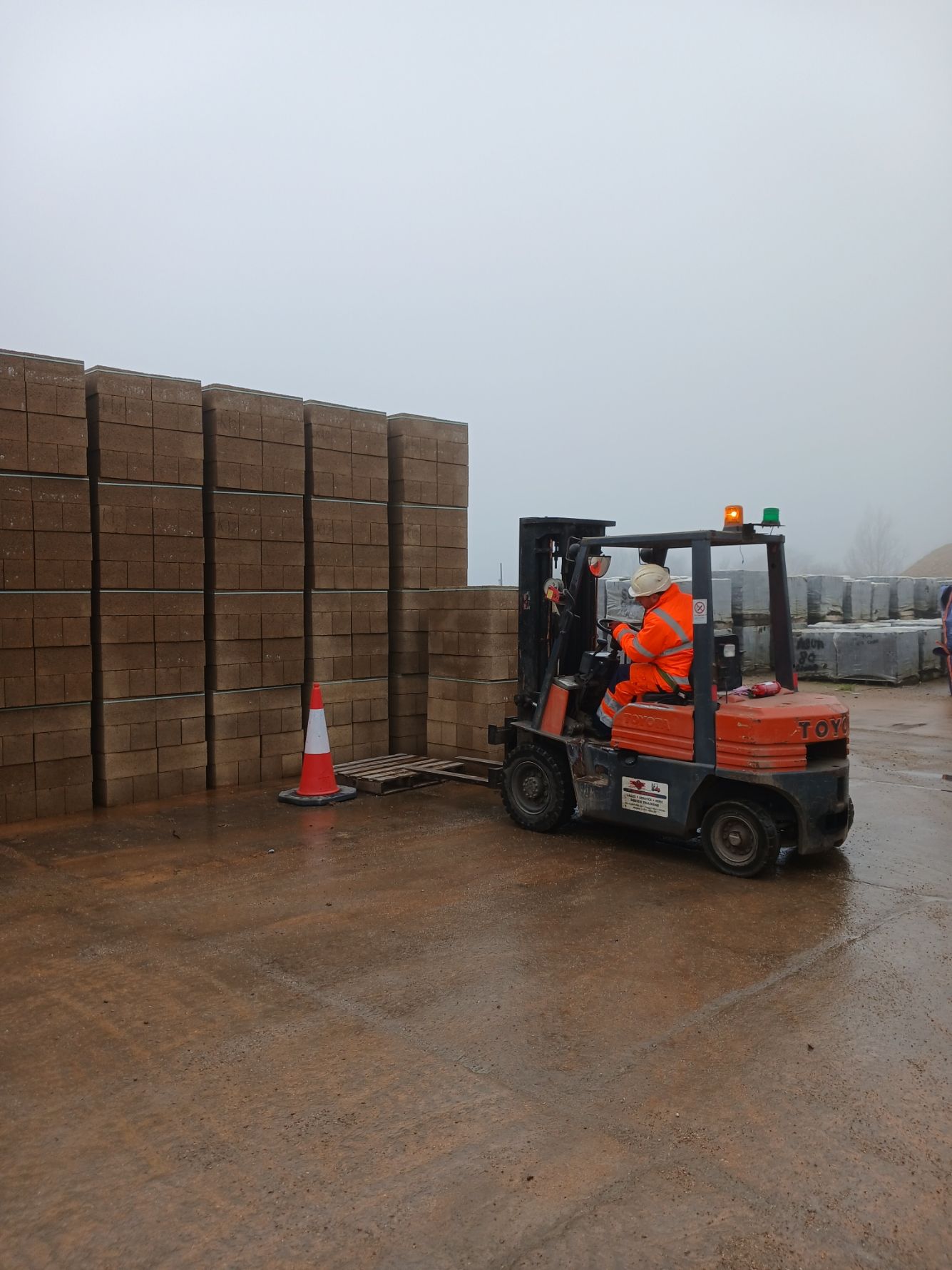
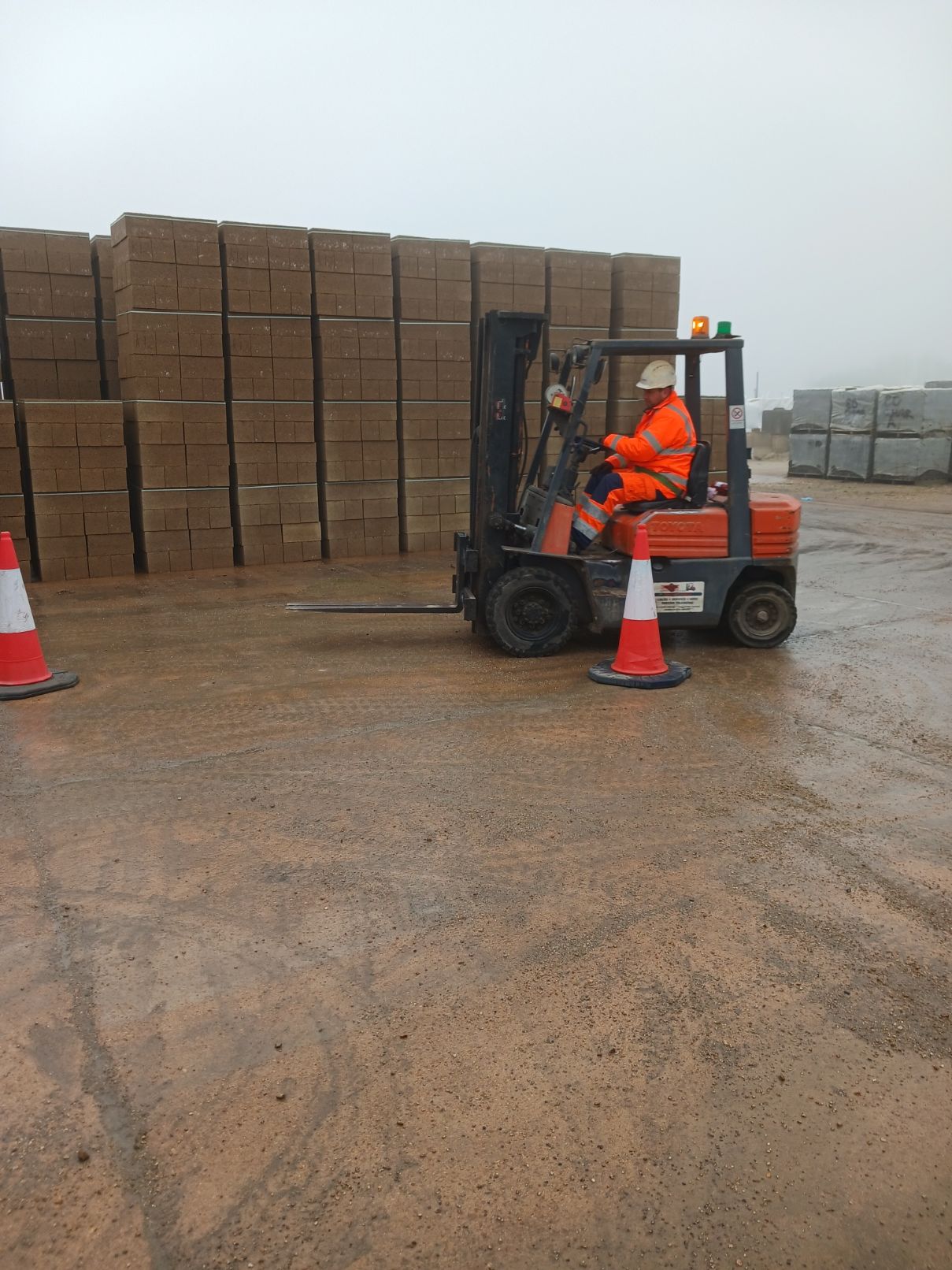
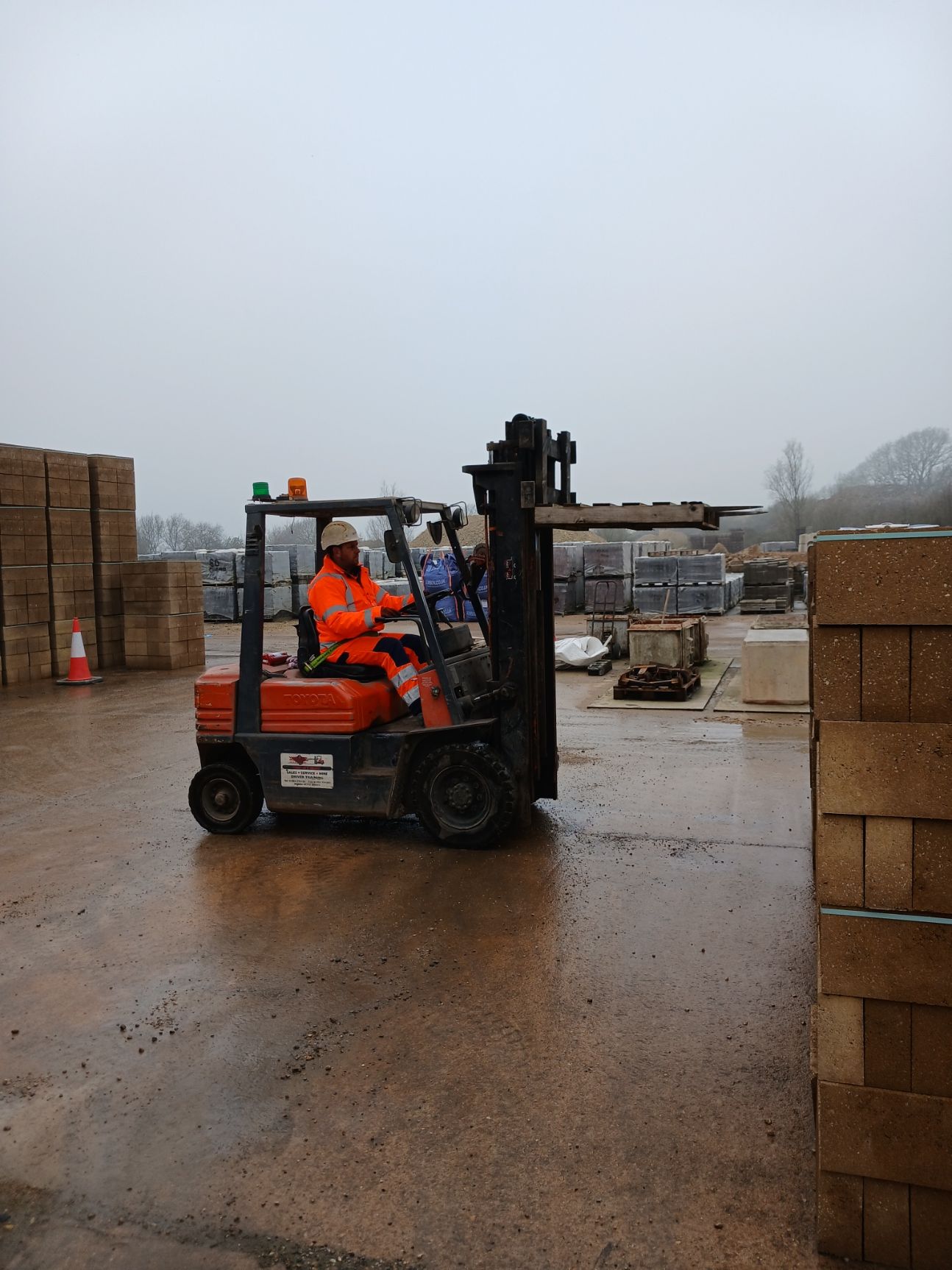
The photos from Dan’s training show exactly that process in action. From practical manoeuvring work through to machine checks and telehandler operation on site, the aim is always the same: build confidence properly, not just quickly.
For employers, this kind of training is about more than ticking a box. It helps create safer operators, reduce the chance of costly incidents, and improve standards across the workplace. For delegates, it gives them a proper foundation they can take back into the job with confidence.
Whether someone is completely new to operating plant or needs a conversion onto a different machine, tailored training makes all the difference. Every workplace is different, and good instruction should reflect that.
At Wight Training Services, the goal is always straightforward: practical, professional training that helps people work safely and competently in the real world.
Looking for flt training near me that is practical, professional and built around your workplace? Wight Training Services delivers accredited and in-house courses across the Isle of Wight, including telehandler, forklift and plant training on your own site using your own equipment. It is a cost-effective way to improve safety, build operator confidence and make training directly relevant to the job.